This workout routine content was produced by HUMANFITPROJECT for Men’s Fitness magazine and was originally published at mensfitness.com
Program designer Michael Beringer demonstrates the Chest, Triceps, and Abs TRANSITION WORKOUT. For all the details on the program, go to MENSFITNESS.com/Transition.
THE CHEST, TRICEPS, & ABS WORKOUT ROUTINE
BB Bench Press 5 x 10
Push Up 3 x 10
Dip 3 x 10
Cable Woodchop 3 x 20
Hanging Leg Raise 3 x 20
This workout routine content was produced by HUMANFITPROJECT for Men’s Fitness magazine and was originally published at mensfitness.com
Program designer Michael Beringer demonstrates The Back and Biceps TRANSITION WORKOUT. For all the details on the program, go to MENSFITNESS.com/Transition.
THE BACK and BICEPS WORKOUT ROUTINE
Deadlift 5 x 10
BB Bentover Row 3 x 10
Lat Pull Down 4 x 15
DB Row 3 x 10
Cable Low Row 3 x 10
Cable Pullover 4 x 20
BB Bicep Curl 4 x 15
It doesn’t matter where you are in terms of your fitness when it comes to this plan. While it was originally created as a “Transition” for intermediate and advanced athletes to use as a period of training in between programs, a beginner can see great results too.
For the intermediates: when you’re bulking up during the winter, you traditionally take longer rest periods (around one-to-two minutes or more) between exercises so your body can recoup completely. Once spring comes around, you’re probably looking to shift gears to trim up for summer which typically requires full blown high-intensity training. While some may respond very well to a complete change in their training, others may need a period of transitioning to ensure appropriate recovery and preparation. This week of workouts can be used for 1,2,3, or 4 weeks before entering your new programming.
For beginners: working out is a relatively new, if not completely new to you. Considering the exercises are basic and the volume (or amount of work) is a bit lower, this is a good option for building up a base of strength and size without overwhelming your body in the beginning. Need a closer look at the exercises, check out the following link: 20 essential exercises for transforming your body—and the cues for doing them
Instructions:
Complete each workout with a day of rest in between. (one day on, one day off) Intermediates and advanced athletes can follow this anywhere between 1 and 4 weeks before jumping into their new program. Beginners should follow this plan for 4-8 weeks, they should also cut 1-2 sets of each exercise in the first few weeks.
The Chest, Triceps, and Abs Workout
Bench Press 5 x 10 rest 45 sec Push Up 3 x 10 rest 45 sec Dip 3 x 10 rest 45 sec Cable Woodchop 3 x 10-20 rest 45 sec Hanging Leg Raise 3 x 10-20 rest 45 sec
The Back and Biceps Workout
Deadlift 5 x 10 rest 45 sec Bent-over Row 3 x 10 rest 45 sec Lat Pulldown 4 x 15 rest 45 sec Dumbbell Row 3 x 10 rest 45 sec Seated Cable Row 3 x 10 rest 45 sec Cable Pullover 4 x 20 rest 45 sec Barbell Curl 4 x 15 rest 45 sec
The Legs, Shoulders, and Abs Workout
Glute Bridge 3 x 15 rest 45 sec Plank 3 x 10 rest 45 sec Squat 5 x 12 rest 45 sec Goblet Squat 3 x 10 rest 45 sec Split Squat 3 x 10 rest 45 sec Overhead Press 4 x 12 rest 45 sec Dumbbell High Pull 3 x 10 rest 45 sec Shrug 4 x 15 rest 45 sec
I overpaid for my flight to Oahu, but that’s OK. The last-minute execution was worth every penny. Book too far in advance and it’s a crap shoot on the surf conditions you get. Will it be too big? Will it be flat? I waited and analyzed every model every minute of every day for the ideal time to pull the trigger—it worked out perfectly. Great-to-fun surf conditions for most days, with some extra-large ones that created for plenty of time to explore and document.
I can remember the real early years of travel—broke as a joke and anxious as hell worrying about if the surf would be good or bad. While these days I’m still a lunatic with following weather models and patterns in search for the ideal conditions, I’ve also learned to be much more chilled out.
The images below are from various locations, on the days I least expected to score. Periodically I will adding more from what I consider a successful, well-rounded adventure of Spring 2016.
All images are captured with the GoPro Hero4 Black Edition.
The REDEMPTION plan is a new year workout and motivation plan launched on MENSFITNESS.com. The full plan will be available on MENSFITNESS.com through January. For more information, go to MENSFITNESS.com/Redemption
The workouts we write, edit, curate, and produce aren’t just workouts. I feel like a broken record saying it, but it’s true.
Whether it be me, or someone else on the team, someone has done it. And in some way, shape or form, it’s more than just a good idea to try in the gym. Forget looking at whether or not it’s effective, or the best thing ever, this is about working out as a whole. Each workout is a single drop in the bucket, but they all add up to one great final product. The body you always wanted is great, but it’s the feeling that you’ve accomplished something and continue to succeed based on your own individual efforts. That’s what really matters.
The REDEMPTION plan was my attempt to share my inner thoughts over the years as I’ve pursued my professional goals within the fitness and media spaces. While working out started out as a means to “get big”, it’s evolved quite a bit over the years.
Breaking down the voiceover script:
“The goal has never changed. It’s been to feel good, and be pumped up.” I’m a very competitive person, maybe not openly against people, but with myself. I want to be the best at everything I do, it’s just how I was programmed. But, at the same time, I also want to have a much fun as possible. To me that means finding a career that connects all of my passions.
“It’s always been the first thought.” First thing I think about when I wake up in the morning is, ‘what do I need to do to get further ahead today?’
“Only a few actually understood the point…the rest just didn’t care.” I’ve had people damn nearly force beer and food down my throat. I’ve also even had someone once say they couldn’t go to lunch with me anymore because I made them feel bad about what they would order. The list goes on…
“It was never about being cool…just a better version of before.” I do what I do for me.
“The work is more than muscle and sweat…and doubt is a dead-end street.” Everything we produce and build isn’t just about being shredded and ripped. It’s a representation of hard work, and what you can accomplish when you really go after it. It’s about feeling good about yourself and chasing after what you want without any reservation.
“5am or 11pm. No excuse is an option.” College was the easy life. I could go to the gym whenever I wanted. Now in the real world, with travel and a gnarly schedule, I need to go when I can. The only consistency I have these days is that fact that I will be in the gym no matter what. If you ask me what time, good luck.
“Let these workouts be your REDEMPTION plan.” I want people to see these workouts as me putting that extra little effort into the production. The things you want don’t necessarily come easy. And you’re going to experience a variety of obstacles and challenges. But one key thing is to never, ever stop or not go 100% in anything you pursue. There’s no time to waste.
I’ve been doing full blown fitness shoots for a good four years now. Hard to believe, but we never really had them on the site before… MENSFITNESS.com that is. Everything was shot in stills for the magazine, then carried over to the website and social media. But no one wants to see still images really. They want to see how to do the exercises. But on top of that, they want to be inspired by the videos to get out there and do it themselves.
My thought process has to been to shoot workouts in as real-life style as possible. While watching someone demonstrate a single exercise I’ve never seen before in front of a white screen is helpful, that’s just one piece. There’s no inspiration factor. The inspiration factor comes in with the real-life, fly-on-the-wall style of shooting and editing. That’s why we see certain accounts with tons of followers on Instagram, Facebook, Twitter, Vine, YouTube, etc. People that post real video clips. Real life stuff. Real life workouts.
But what I thought would be a cool little insider snippet was the the idea of a director’s workout. What the viewers see on our site or social media feeds are new programs such as The Specifics, The Dude Workouts, Strong and Lean, Trim in Six, The 21-Day Shred, etc. These programs typically consist of multiple videos because they are multiple workouts and loads of exercises. What viewers don’t see, is the fact that they also are more than likely shot in one to two days. Now, the first, and most important thing I need to relay is that just because we shoot them all in 1-2 days, does not mean we don’t actually do or use these programs. We all use them, and test them. If we produce and share an 8-week program. We’ve done it.
But something I think that is personally kind of cool, and an interesting part of the job is that shooting the programs themselves in their “condensed versions” are an actual workout themselves. I remember I shot 7 days of the 21-Day Shred in 1 day. I was sore for 4 days. I guess it’s The Director’s Workout, but it’s also The 8-Hour Workout.
I’ve never been the type to consciously not tell people things. If I felt a certain way about something, good or bad, I’d share it. But over the years, and some of people I’ve experienced, and the things they’ve said and done have made me think twice.
Looking back, I remember when I first started getting into lifting, mid-late teens. I remember catching derogatory comments from my “friends.” Unbeknown to them, I’d brush it off, no matter how much it bothered me, and would avoid speaking about fitness stuff so it wouldn’t come up. That’s a pretty sad thing if you think about it, I was unable to be my own person around people that were my friends. But, whatever. I continued to do as I do. I also suppose this is why I keep things to myself, and don’t disclose as much.
Back when my body started to really take form, maybe early-mid 20s, people treated me differently. I can remember one distinct experience where a couple people were laughing at me, and it was actually because how muscular I was. For a while I never liked going to the beach with my shirt off. It was as I was a freak show. Talk about the complete opposite of being insecure about being out of shape.
Then there were other groups of people that always wanted to go out and party. And don’t get me wrong, I’ve certainly done my fair share of drinking, but there were periods of time when I was on a serious clean streak and really was determined to get my body to an incredible place. Again, I can specifically remember people saying, “oh it’s one beer, oh it’s one piece of pizza.” Sure, I get that. But to me I thought, ‘you put that in your body. I’m on a mission and I’ll make my own decisions.’
Now in my late 20s, I’ve reflected quite a bit on my career (and fight) in fitness, and some of the people who have been around me throughout it. There’s been many kinks and holes in the support system. Areas to where negativity have been able to flow in, influence my decisions, toy with my thought process, and bang up my confidence. More than ever, I now truly understand what I support system actually is, and what it entails. Even though it may sound jaded and negative, I knew that if I openly announced my injury that I would get a slew of questions. And I knew the mental battle within myself was going to be hard enough. I didn’t need these outside contributors:
“Oh man, how are you going to workout?”
“What are you going to do if you get fat?”
“Oh, it’s a several month recovery period, wow, that’s a long time”
“Oh, you won’t be able to surf, huh?”
“Oh, this must have been from all that lifting you did, see it’s not that good for you.”
Those are just examples of statements and questions I knew I would get because I’ve gotten similar crap before.
The road I chose was to go quietly. I carefully chose my surgery date to fall on a Friday, and would do it the week of Christmas and take that time off until the new year. That plan gave me enough time to get cut, go through the hellish first week, and recover for another before heading back into the office. I was hoping to get back into the office without a sling, but that wasn’t entirely possible.
People underestimate the power of words, and the power of influence of the people around them. And it took me a long time to figure that out. It sucks that my inner circle continues to grow tighter and tighter. But the less outside influence, the less comments from the peanut gallery, the more I could focus on the positive, stay laser focused on my aspirations, and get myself back into peak conditioning.
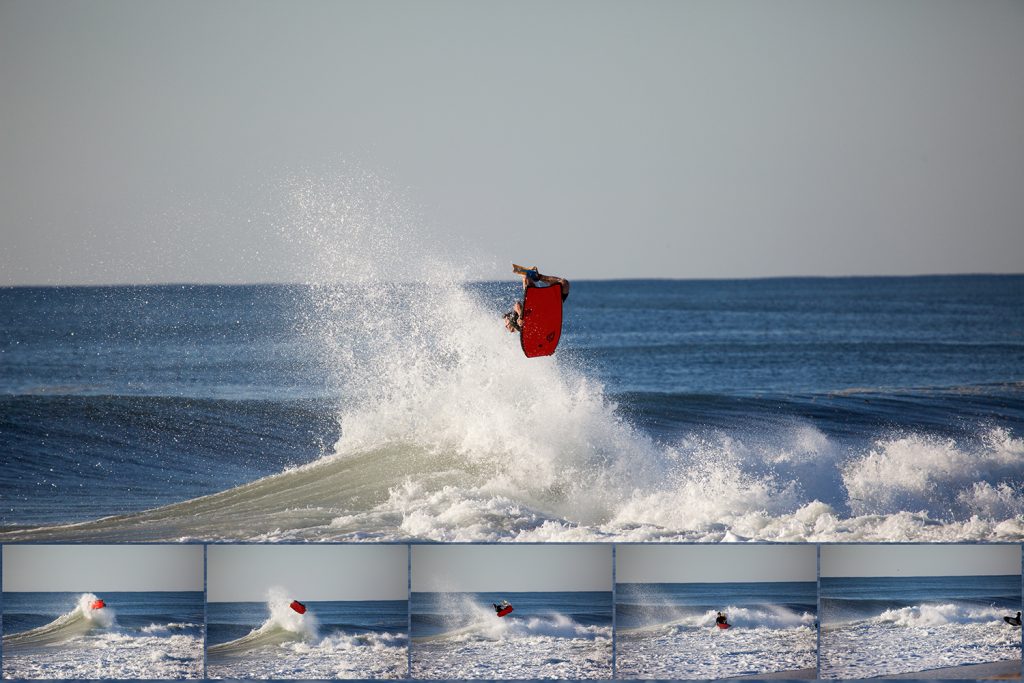
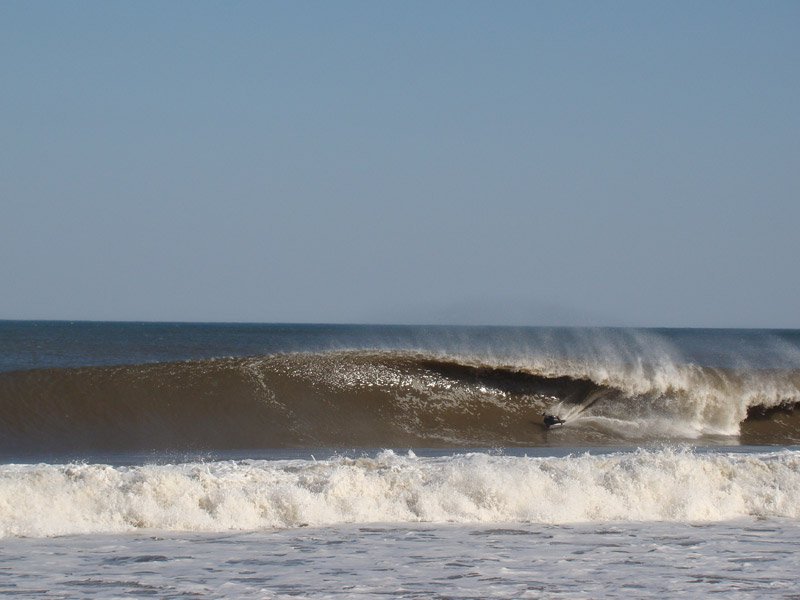
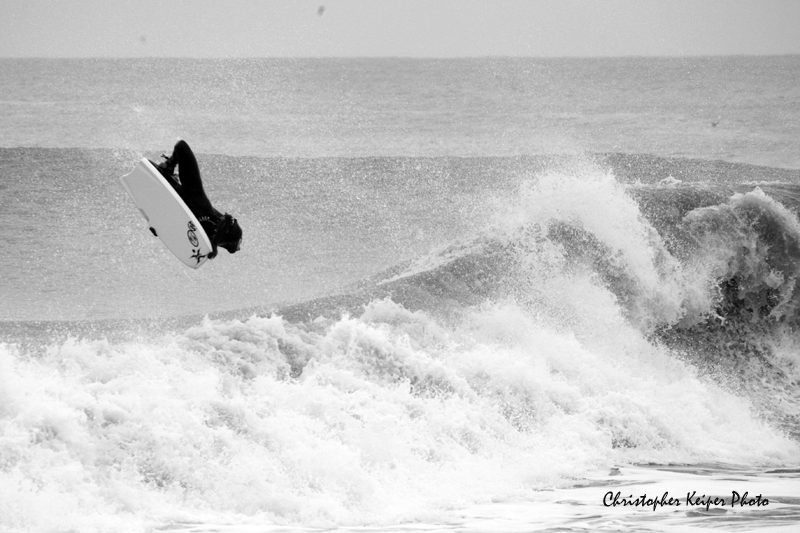
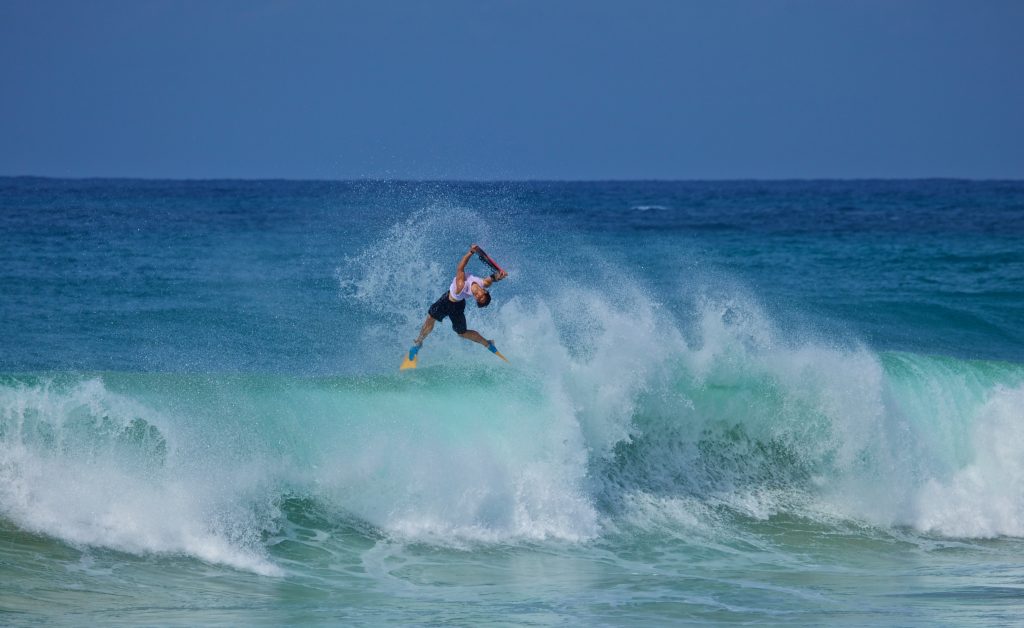
I love my damn boogie board. Can’t ever get enough of it. Probably never, ever will. Some look at me like I’m crazy to spend so much time on it. But the truth is, I don’t care. It’s good stuff. Without something like this I’d lose my marbles.
Although, it is wild to think how something so simple could consume so much of your mind, time, and energy. And I’d be lying if I said I didn’t questioned my maturity at times. But, whatever.
A solid hobby like this is what everyone needs. It’s what life is all about. Doing what you love as much as possible, and milking every minute of it.
I live in two worlds. One minute it’s business, business, business. The next minute it really is just… the ocean. There’s no deadlines, no stress, no pressure, no thinking. It’s complete freedom.
Without rattling on and on about some hippy nonsense, I dug into the archives to find some old stuff. Throwbacks. They bring back great feelings, those same feelings that remind me to keep riding the boog for life.
And, call it boogie boarding if I want to.
For too damn long everyone in our little industry fought for respect. “It’s bodyboarding,” they say. Well, it is bodyboarding. But it’s boogie boarding too. We’re just going to own it at this point.
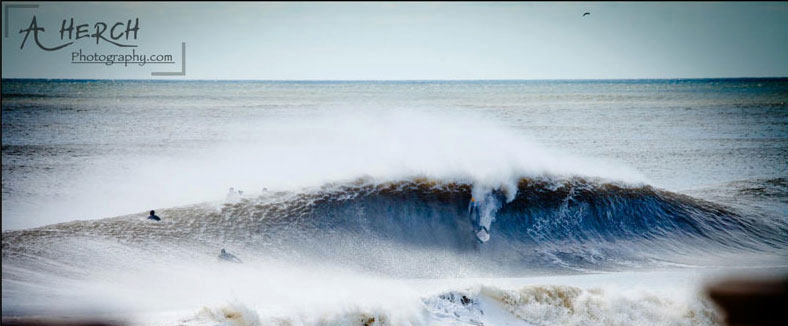
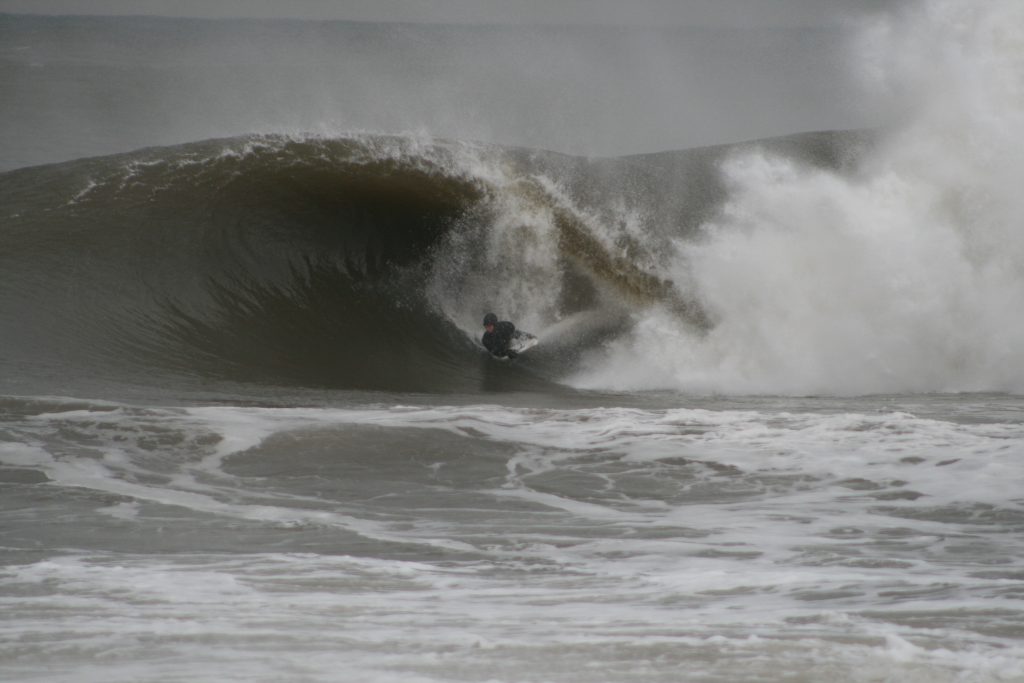
Ocean County NJ. 2011. Photo Brandon O.Winter Local NJ 2008. Photo: Matt ClarkWinter Local NJ, 2011. Photo Micah SklutPunting one. Winter Local NJ. 2008 Photo: Chris KeiperGiant Invert. North Coast, PR. 2010. Photo Kalen FoleyFreezing NJ. 2011Cold, Winter Local NJ. 2008
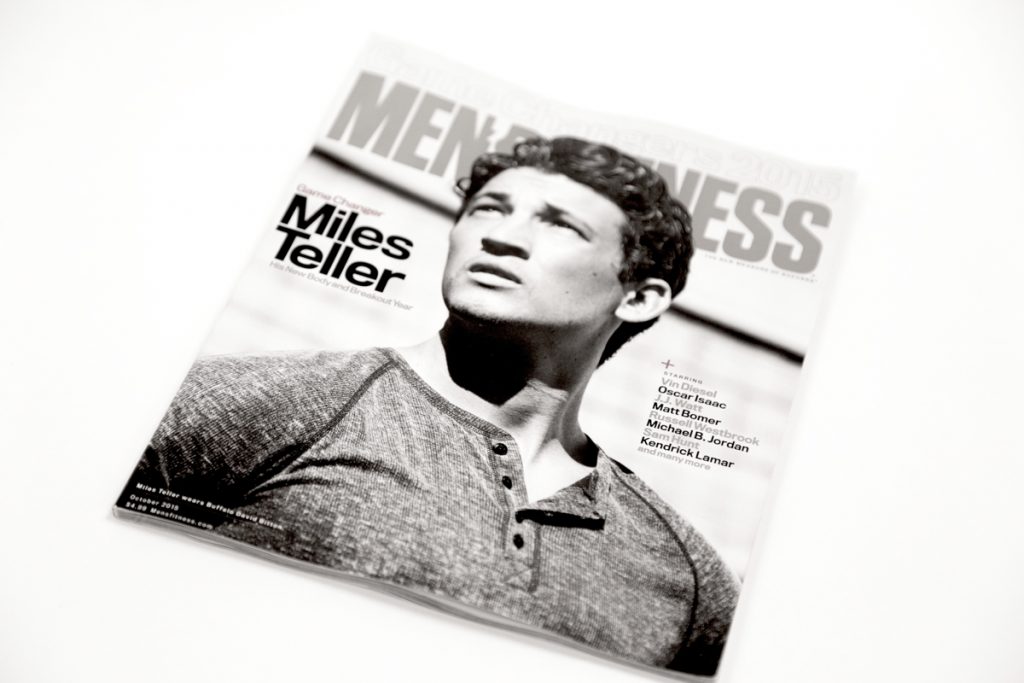
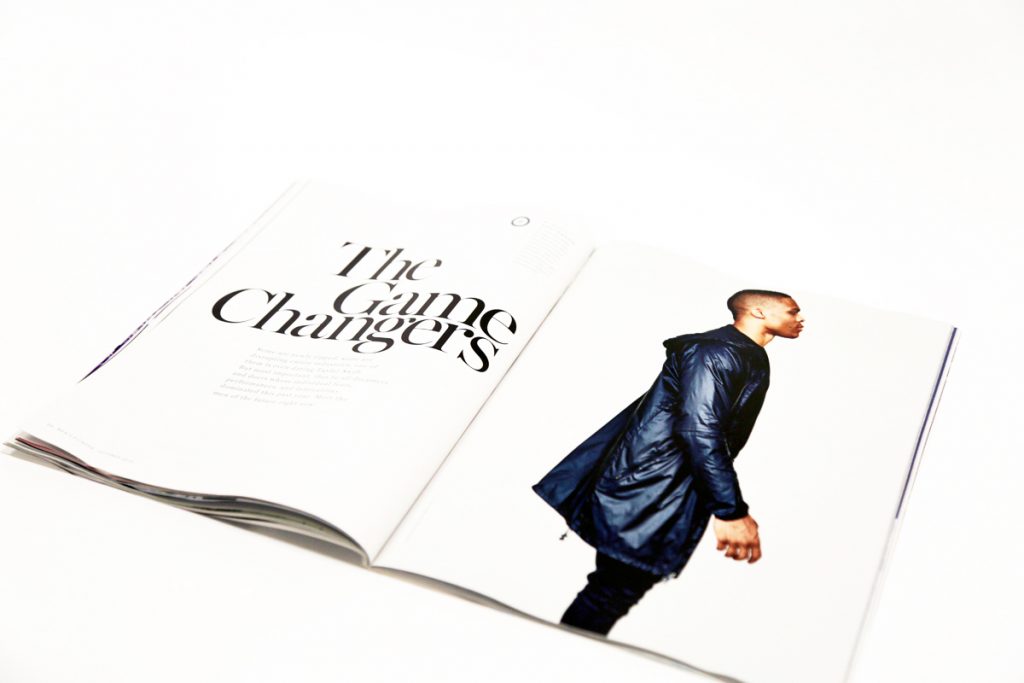
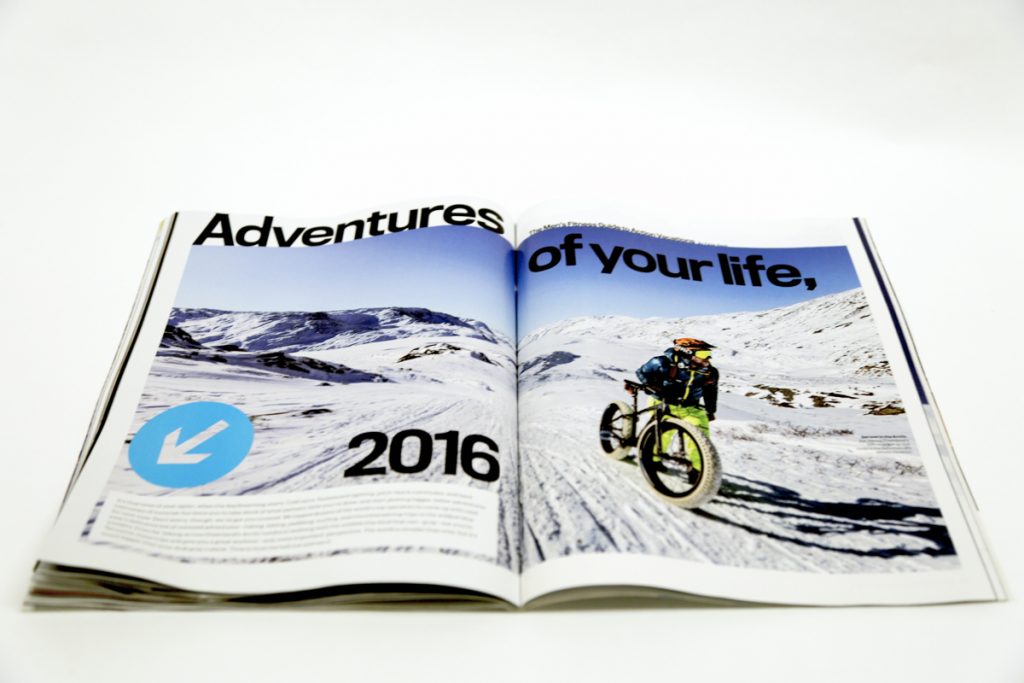
The Game Changer Issue: For the men that are making waves in their respective industries. Check out this year’s big names. It’s a Split Cover: Vin Diesel and Miles Teller. How supersets get you 10-23% stronger. Fruits that actually burn fat?! Hug a Tree: Why everyone in the world needs a 40-second nature break. Massages! They are so worth the money! The one workout that will break all your records. Adventuring in 2016: Stop wasting time. It’s the most valuable thing on earth. And these are some of the coolest stops you need to see. A little look into the new Polo Tech smartshirt. Yes… a smartshirt. Robo-investing: for those of us who don’t know shit about making money in the market.
Dean Karnazes, for lack of better words, is one gnarly dude. A real gnarly dude. In a good way, of course. An ultramarathoner? What could you possibly be thinking? What makes a man pound the pavement for more time and distance than some people would manage in… How about a decade?
Let’s do some calculations. We’ll use the Fitbit Surge. Say you walk the recommended 10,000 steps per day, seven days per week. That’s 35 miles (assuming that for you,10,000 steps equals five miles). Say you’re not a major runner but you run three miles every other day in addition to hitting that step goal. That’s 6,000 steps. Tack those on to three days of the week for a grand total of 88,000 steps in a week (or 44 miles). Stay with us. Multiple that by 52 weeks and that’s 2,288 miles in a year. Multiple that by 10 and you get 22,880 miles. Karnazes estimates he’s run 100,000 miles in his running career. Right. So he runs a lot.
We flew across the country to run witih him and to find out what exactly does go through his mind, along with 17 other things. Plus, we talked about how he uses the new Fitbit Surge in his training. Here’s what we got on the man of many miles.
MIKE SIMONE: So, how long have you been running?
DEAN KARNAZES: [laughs] My whole life. I started running when I was six-years-old, and then I took a bit of a break in high school, and then starting running again on my 30th birthday.
MS: Tell us a little about that 30th birthday experience.
DK: [laughs] So I was in a bar with my buddies, doing what you do on your thirtieth birthday: Drinking cheap tequila. And at 11 o’clock at night I said “I’m leaving.” They said, “Oh come on, let’s have another round,” and I said, “No, I’m going to run 30 miles right now to celebrate my thirtieth birthday.” So of course they said, “No you’re not running—you’re drunk.” I hadn’t run in 15 years. And I said “I am drunk, but I’m still gonna do it.” So I literally walked out of the bar, I peeled off my pants—I had these silk jockey briefs on—and I just ran off into the night.
MS: What do you love most about the sport of running, and the whole activity behind it?
DK: You know, running is such a simple act, but it’s very dynamic and complex as well. One, I love the freedom of just getting away from things, putting on a pair of shoes and just busting it out. I love the physicality of it. Some of the challenges I take on, like this last weekend I ran a 100-mile foot race in the mountains, just the grittiness of it—it’s kind of a self-confrontation if you will, it’s pushing past your perceived limitations and persevering. And I like that challenge.
MS: And then when did you realize “Oh my god, I’m really good at this, and I can excel?”
DK: [laughs] I don’t know if I’ve really experienced that yet!
MS: That 30th birthday experience?
DK: Thirty miles on my 30th birthday; I thought, you know, big deal, I was drunk. People do weird things when they’re drunk. Much worse things than what I just did. But someone said, “You ran beyond a marathon. That’s insane! Not many people can do that.” And I thought, “Maybe there’s something going on there.” So I went with it.
MS: Do you remember your first pair of running shoes?
DK: When I was in high school I remember using like the Nike waffle iron. Nike came out with the first shoe that had a grid on the bottom. And Bowerman, who was Phil Knight’s partner at the time literally cooked rubber on a waffle iron. And that was what the bottom of the shoe looked like. It was real primitive.
MS: Have you ever thought about calculating how many miles you’ve accrued over the years?
DK: I’ve done back-of-the-napkin kind of stuff. It’s probably over a hundred thousand miles.
DK: That was an insane experience. When I first started that people said, “Oh… do you think you can do it?” I said, “I don’t know, no one’s ever done it before! After five days maybe I’ll be in a body bag.” But I think the most memorable is the 50th marathon, because it was New York City, which is kind of a tough marathon. I ran it in three hours and thirty seconds.
MS: So you maintained a ridiculous pace.
DK: It was kind of ridiculous on fresh legs, and here I had 49 marathons on my legs, and I thought “Wow. The human body is remarkable.” I think we don’t give it as much credit as I think we should.
MS: How did your body feel after that whole thing? Completely shot, or overtrained?
DK: That was shocking, cause I was in the best shape of my life. I mean it was amazing how good of shape I was in. I was running, averaging like a 3:20 to 3:30 marathon, and my heart rate wasn’t going over 110—literally. I was just clicking out marathons like clockwork. My body really adapted and grew stronger.
MS: What was the most challenging event in your life? Was that it, or was there something else?
DK: [laughs] Oh no, I’ve had much more challenging. […] I would say, there’s this six-day self-supported race I once did across the Atacama desert in South America, which is the driest place on earth. The place we ran—get this—it had never rained. Ever! I’m like, oh in how long? And they’re like, “No. It’s never rained here.”
MS: Wow.
DK: So you had to carry everything on your back for six days, 250-km, all you got at night was a tent. So it was baking hot and then below freezing at night. So you’d be shivering all night long and just roasting all day long. That was probably the toughest.
MS: How do you prevent getting injured with all the running that you do?
DK: [laughs] Knock on wood. Knock on the side of my head! I do a lot of cross training. I think I’ve strengthened by overall body. I don’t just run. So I think cross-training helps. But I’ve never had an injury. Never, ever had an injury. Some of it has to do with biomechanics. My alignment is really true. I don’t pronate or supinate. They say one of the best things you can do as a long-distance runner is to choose your parents well.
MS: [laughs] Lucky, right? So speaking of your training and biomechanics, high-level, what is your training like? I mean, do you go to the gym two days a week and then you run X amount of miles a week? How’s that laid out?
DK: Yeah, so because I travel so much to compete and just for—oh, you know, book signings, all that kind of stuff, I probably average between 70-mile weeks to 200-mile weeks. Then, as far as cross-training, I have a gym set up in my house. So during the day I’m doing these cycles of HIIT, high intensity training with body-weight only. I don’t want to put on a lot of bulk, I just want to get super fit. So it’s sets of pushups—I have this special routine that I developed with a Navy SEAL buddy of mine—pullups, situps, dips, and some burpee kind of stuff. So I cycle through that continually throughout the day, maybe six or seven cycles, so that’s what the average day looks like.
MS: So you have a nice rounded day. So how about food? Are you a paleo guy, any kind of belief system with that?
DK: Well, I’ll start by saying people change. And I certainly change. I’ll never live down the story—one night, I was on a two-hundred-mile run all by myself, in the middle of the night, stranded in the middle of nowhere. I had a cellphone and a credit card. So I ordered a pizza!
MS: Makes sense.
DK: I thought so too! So I used to pound the junk food. Just thinking, you know, calories were good. But over the course of time, I’ve gone really to a super pure diet. So, complete paleo. Primarily raw. I don’t really cook or process anything I eat, even the meat. I eat raw salmon (I live in San Francisco, so we have a good supply of fresh, sushi grade salmon), and I eat buffalo meat—free-range buffalo meat, lightly cooked, almost like tartare. So I don’t cook much of anything and that’s kind of the way I’ve gone.
MS: So what do you think about while you’re running? I mean I know you think about that pizza, but for the most part when you’re on these long runs, what’s going on in your mind? Are you thinking about the body, or something that’s inspiring you—what is that?
DK: Well, when you’re out on these long training runs, you think about a lot of different things, because your mind’s kind of free to wander. Which I like. I also listen to audio-books. I probably have 500 audio-books on my playlist. But then when you’re racing, like this 100-mile race I just did, you’re running for over 30 hours straight without stop[ping], and you’re so focused on one thing. And that’s crossing the finish line. Nothing else crosses your mind. It’s almost a zen-like state. You’re listening to your body, trying to take in hydration, calculating what your pace is like, trying to foretell your needs coming up, so you’re really focused on one thing. And I really like that, because let’s face it, how often are you focused on one thing for that amount of time? I mean never! At least, I’m not.
MS: Yeah, that’s just crazy, especially when everything is digital.
DK: Yeah, for thirty hours all I’m thinking about is the finish line.
MS: You’re just in the zone.
DK: Yep
MS: Do you believe there’s overtraining?
DK: You’re asking the wrong guy.
MS: I figured.
DK: I believe in active recovery. So a couple days ago, I just finished running 100 miles, and the last couple days I’ve run. Nothing big, nothing extreme. Kind of like today, maybe five or seven miles. Definitely doing some upper body stuff, trying to flush out the lactic acid. Lots of clear, clean liquid. I think that recovery’s overrated.
MS: How have you seen yourself as an athlete evolve over the years? You didn’t give up on it, but you didn’t run for a few years after high school. How would you say you’ve grown as an athlete?
DK: I think I’ve become more self aware, more aware of my body, more aware of how far I can push before going over the edge. I mean I’ve failed at races. I’ve literally flacked out sometimes. [If you don’t] push yourself to failure, you don’t know how far you can go.
MS: Right.
DK: So I kind of know where that edge is, I’m pretty in tune with that. I’m also a little more realistic that, as I’m getting older it’s probably going to get harder. I’m still bullheaded, which is a great thing—I’m stubborn as hell. I still think I’m invincible [laughs]. I try to remind myself I’m not. I’ve done so many great races, and I’ve certainly won my share of races and had my share of recognition, so what I’m trying to do now is inspire other athletes.
MS: Right.
DK: I think the greatest gift for a champion is their ability to inspire others to be the best that they can be. So to hell with me! If I can get someone off the couch, if I can inspire someone to try a marathon, that’s more rewarding than winning a race to me these days.
MS: That’s great. If you weren’t a runner, what would you be profession-wise—sport, business, anything besides running. What would it be?
DK: You know I’m a physical guy. So, it would be a physical pursuit. I love mountain biking, I’ve done a lot of adventure racing, obstacle course racing. It would be some kind of high intensity endurance event, just not running.
MS: Let’s talk about the Fitbit Surge. What’s your favorite attribute of the Surge and how does it apply in your training?
DK: To me, the Surge—it’s just a clean device. It’s simple to use, it does everything you need it to do, and it’s just the push of a button. So, no strap to worry about; it’s just simple plug and play, and it does what it needs to do. I also designed the strap myself, because [with] a lot of the GPS watches, the straps suck! So I worked with the Fitbit engineers to make a strap that’s a little more comfortable. You can keep it on for 24 hours and you don’t even feel it.
MS: Great. So finally, you mentioned how you want to inspire athletes. We know you’re going to compete forever; that’s you. But what’snext? What’s the next stage of life as an athlete for you?
DK: So, I’ve been planning, and this has taken a little while to pull off, but I’m planning on running a marathon in every country in the world in one year. So I’m going to set out on a global expedition across 203 countries and I want to run a marathon in each and every one of them. So I’ve been working with the US State Department and the UN, trying to get passports and permits to get into all these countries. I’m working with a company that coordinates the Olympic torch run across the world, so they’re taking care of the logistics. But think about the adventure!