Author: Mike Simone

  • The Perfect Morning Routine for Peak Performance

    The Perfect Morning Routine for Peak Performance

    The early morning hours my favorite time of day. It’s usually when I’m most clear minded, inspired, and eager to get to work. I believe that much of that is because I’ve fine-tuned what my perfect morning routine looks like and have been consistent with it over the years. It’s never exactly on point because life is life and things change (travel, events, etc.), but I do my best to be regimented on this morning routine.

    I picked up a couple of these from different sources, but some of them have been things I’ve experimented with over the years and have noticed the positive effects.

    In addition to this perfect morning routine, check out the perfect day for mind and body performance, the perfect wind down routine before bed, and our top 10 ways to get better sleep at night.

    Need a training program to follow? Check out any of of 35+ free workout plans to chose from. And if it’s your diet that needs work, check out this piece on everything we order from Whole Foods every week.


    View this post on Instagram


    A post shared by humanfitproject (@humanfitproject)

    1. Immediately get sunlight when you wake up.

    This I first heard from Dr. Huberman. He says getting sunlight triggers the release of a healthy level of cortisol that promotes alertness. It also triggers to the onset of melatonin for when it’s time to sleep. Also, according to him, viewing light through a window doesn’t count. The windows filters out the wavelengths of blue light that needs to get in your eyes. Gotta go outside! 365 days a year.

    2. Delay drinking caffeine in the AM by 1 hour.

    You need to allow your bodies own cortisol hormone wake you up first which can take about an hour. This is another great one I picked up from Dr. Andrew Huberman of the Huberman Podcast.

    3. Take a quick cold shower.

    There’s a lot of research behind the benefits of cold exposure. The shock wakes you up for starters, but some research shows it may boost the immune system. I’ll start slow with a warm shower, go cold, then go hot again to get my body warm again before I go workout.

    4. Fast for 12 hour (mostly at night).

    So that means from approximately from 7PM to 9AM I won’t eat anything. I feel this has helped me stay lean, keep my blood glucose in check, keep my digestive system feeling good. This is something I’ve been experimenting on for many,  many years.

    5. Work out first thing in the morning.

    Initially this was hard but my body acclimated. I don’t need to eat before a workout, unless it’s a super long run or competitive event. And even then, the meal is tiny.

  • The Best Workout Plan for Your First Obstacle Course Race

    The Best Workout Plan for Your First Obstacle Course Race

    Signing up for your first obstacle course race or Spartan Race can be an emotional combination of excitement and a little intimidation, and that’s completely normal. Even as an athlete my entire life, I was a little nervous going into my first race. So, you’re not the only one.

    Related: 30 Days to Beast: How I Trained for a 21K Spartan Race

    The key to success in your first obstacle course race is to race your own race and shift the way you work out so it’s catered specifically to Spartan racing. Chances are you’re going to be running on tough terrain, face elevation, you’re going to be pulling stuff, carrying stuff, climbing stuff, getting into weird positions, you name it.

    Here’s the plan to get prepared.

    Pick Your First Obstacle Course Race Wisely

    For a Spartan Race, you’ll most likely race a Sprint, Super, Beast, or Ultra. A Spartan Sprint is a 5K with 20+ obstacles, a Spartan Super is a 10K with 20+ obstacles, a Spartan Beast is a 21K with 30+ obstacles, and a Spartan Ultra is a 50K with 60+ obstacles. The main thing that changes in your workout plan is the distance you’re running. It’s highly recommended that if it’s your very first race, sign up for a Spartan Sprint.

    Related: The Best Exercises to Prepare for Spartan Race Obstacles

    Your First Obstacle Course Race Workout Plan

    The following accelerated program takes the exercises listed above and compiles them into a full weekly training program that you can perform week over week, no matter which race you plan on tackling.

    Monday: Uphill Walk at Low Intensity

    For Sprint Prep: Incline walk at 12% grade for approximately 15-20 minutes.
    For Super Prep: Incline walk at 12% grade for 20-30 minutes (with weight vest, if possible).
    For Beast Prep: Incline walk at 12% grade for 40+ minutes (with weight vest, if possible).

    Tuesday: Pull and Carry

    • Plank (3 sets x as long as possible)
    • Side Plank (3 sets x as long as possible on each side)
    • Sit-Up (3 sets x 25 reps) or Hollow Hold (3 sets x for as long as possible)
    • Farmer Carry (3 sets x as long as possible, with 40-70-pound dumbbells or kettlebells)
    • Pull-Up, Inverted Row, or Dead Hang (3 sets x as long as possible on each side)
    • Pull-Down (3 sets x 10-15 reps)
    • Reverse Curls (3 sets x 10-15 reps)

    Wednesday: Tempo Runs

    For Sprint Prep: 2 miles at easy and harder paces throughout
    For Super Prep: 4 miles at easy and harder paces throughout
    For Beast Prep: 4-6 miles at easy and harder paces throughout

    • 30-90 burpees

    Thursday: Active Recovery

    Friday: Lower-Body Strength

    • Plank (3 sets x as long as possible)
    • Side Plank (3 sets x as long as possible on each side)
    • Sit-Up (3 sets x 25 reps) or Hollow Hold (3 sets x as long as possible)
    • Squats (3 sets x 30 seconds)
    • Lunges (3 sets for 30 seconds)
    • Weighted Step-Ups (3 sets x 10-15 reps)
    • Sumo Deadlift (3 sets x 8-10 reps)

    Saturday: Active Recovery

    Sunday: Long Run

    For Sprint Prep: 4 miles at a comfortable pace
    For Super Prep: 6 miles at easy and harder paces throughout
    For Beast Prep: 8 miles* at easy and harder paces throughout
    *Increase mileage by 10% each week.

  • How I’m Crushing Home Workouts With These 3 New Pieces of Equipment

    How I’m Crushing Home Workouts With These 3 New Pieces of Equipment

    I love going to the gym, but sometimes I like home workouts too. I’ve got a pull-bar, bands, a stability ball, foam rollers, percussion therapy guns, infrared mats, and more scattered throughout the place. But I recently added 3 new pieces of equipment courtesy of our friends at Titan Fitness and Spartan. Titan Fitness makes quality equipment at an affordable price and they’re also the official equipment provider of Spartan and DEKA, two brands we work very closely with.

    When the weather is nice here in the northeast, I like to get more workouts in outside, but I needed a little bit more weight than I typically have around and wanted some things that were a little different. At the same time, they needed to be relatively mobile or easy to bring to the pool, toss in the Jeep, or carry down to the beach.

    Here are the three pieces I went with, why, and how I’m using them for my home workouts. (Not including the bumper plate in the image above — that’s from an organized team workout.)

    A pair of 40-pound dumbbells

    I’ve always loved a good pair of 40s. For my weight and level of strength, it’s a nice pair to have. While I do have 15s and 20s as well, those are usually a little too light in a lot of instances. Sure, I can slow the tempo down and do eccentrics on a lot of the exercises I do, but the 40s are a nice challenge. It’s not like getting under a heavy barbell, or ripping a heavy barbell off the floor, but it’s still relatively heavy. I typically do lots of variations of squats, rows, deadlifts, floor presses, and more.

    Order a pair for yourself from Titan Fitness

    A single 53-pound kettlebell

    I absolutely love this kettlebell. Similarly to the dumbbell situation, this is a great weight for my own bodyweight and level of strength. If I want to do some single-leg deadlifts or single-arm rows, now I have something that’s a bit heavier than the 40 pound dumbbells. I also enjoy doing goblet squats, sumo deadlifts, and swings with it. Speaking of swings, doing them with a super light kettlebell is awkward, so it’s nice to have a bit more weight on it. This one does the trick for me.

    Order one for yourself from Titan Fitness

    A 40-pound slam ball

    This is a relatively new piece for me in general. I never used a slam ball or dead ball much until my participation in a DEKA event. I like to do lunges, squats, and shoulder overs. They are awkward, and that’s the point. I like getting stronger in awkward positions because I feel like it helps me mitigate injuries to some extent. For example, a squat with a slam ball is a lot different than one with a kettlebell or dumbbell. And the shoulder overs are an excellent power and power endurance exercise that the slam ball is perfect for. It’s definitely a fun, and effective new addition.

    Order one for yourself from Titan Fitness

    My Favorite Two Dumbbell Home Workouts

    3 Rounds
    Floor Press x 10
    Bent-Over Row x 10

    3 Rounds
    Front Squat x 10
    Knee Drive x 10

    3 Rounds
    Single-leg Deadlift x 10
    Push-Up x 10

    My Favorite Kettlebell Home Workouts


    View this post on Instagram


    A post shared by humanfitproject (@humanfitproject)

    3 Rounds
    Swings x 20
    Knee Drives x 20

    3 Rounds
    Sumos x 15
    Goblet Squats x 15

    3 Rounds
    Single-arm Rows x 15
    Push-Ups x 15

    My Favorite Dead Ball Home Workouts

    3 Rounds
    Push-Ups x 10
    Flutter Kicks x 20
    Shoulder Overs x 30

    3 Rounds
    Reverse Lunge x 15
    Front Squat x 15
    Push / Slam x 15

    Disclaimer: Titan Fitness gifted us this equipment. This is not a sponsored post and we do not receive any commission on any sales.

    Discount code: If you’re signing up for a Spartan event, use the code TORIAL25 or HFP25 for 25% off.

  • Train Like Island Ninja Grant Mccartney

    Train Like Island Ninja Grant Mccartney

    We recently collaborated with Spartan, Titan Fitness, and Island Ninja Grant Mccartney on an exclusive 4-week training program for obstacle course racers and functional fitness enthusiasts.

    You may already be familiar with the natural-born obstacle specialist. Mccartney is a seven-time American Ninja Warrior, a German Ninja Warrior Grand Champion, a Spartan Games competitor, and he even holds a Guinness Book of World Records title for the most consecutive flying bar jumps (which is 15, by the way). He’s also completed a handful of Spartan races and consistently makes the obstacles look like a walk in the park. (You may also be familiar with his shenanigans at the CrossFit Games with The Buttery Bros.)

    Here, we chat with Mccartney to learn more about how he discovered his love for fitness, the evolution of his performance meal plan, and how he takes care of his hard-working body. Plus, what to expect in his Spartan Island Ninja Training program.

    Island Ninja Grant Mccartney’s Approach to Fitness, Training, and Racing
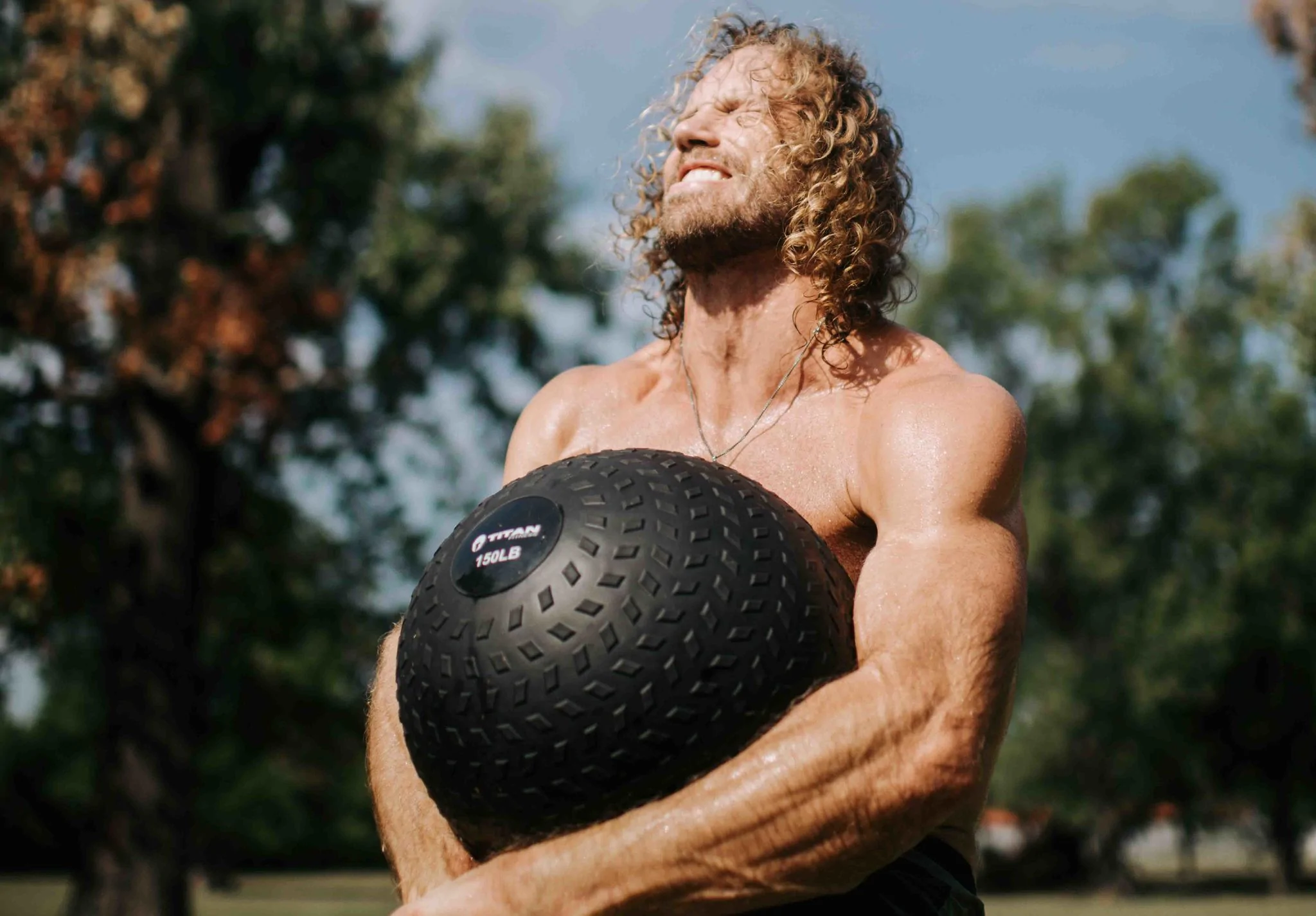
    Mike Simone for SPARTAN: How did the Island Ninja get his start in fitness?

    Grant Mccartney: I ran as a kid. I was never amazing, but I liked to do cross country. I liked waking up — even in college — on a random Saturday. Instead of partying all Friday night, I would go to bed early, because I’d have a 6:00 a.m. race — a 5K for cancer, or something. I was always running.

    MS: What about competing in Ninja Warrior?

    GM: As a kid, I watched this show in Japan on the G4 Network. I remember there was one year that they had the two Olympians, the Hamm brothers, doing it, and I thought, I’m going to do that one day.

    And, actually, a lot of my family then passed away in a very short period of time. My mom, and then, like three months later, my grandmother. Then, my great-grandmother, my dad’s mom, and my stepdad all passed within about a year. That kind of reality check of the fragility of life, made me say, “Okay, well, what are the things that I always say I’m going to do?” I had this list of stuff in the back of my head, so I created that list of things that I wanted to do, and I just started doing them.

    MS: How did you get into Spartan and Spartan Games?

    GM: I did American Ninja Warrior, then Spartan Ultimate Team Challenge, then German Ninja Warrior, and then went to Italy to do the Guinness Book of World Records flying bars. There’s a lot of crossover there with what I do with Spartan, so I’ve done races and the Spartan Games. And last year, I did a swim under ice in Alaska with Ten Thousand.
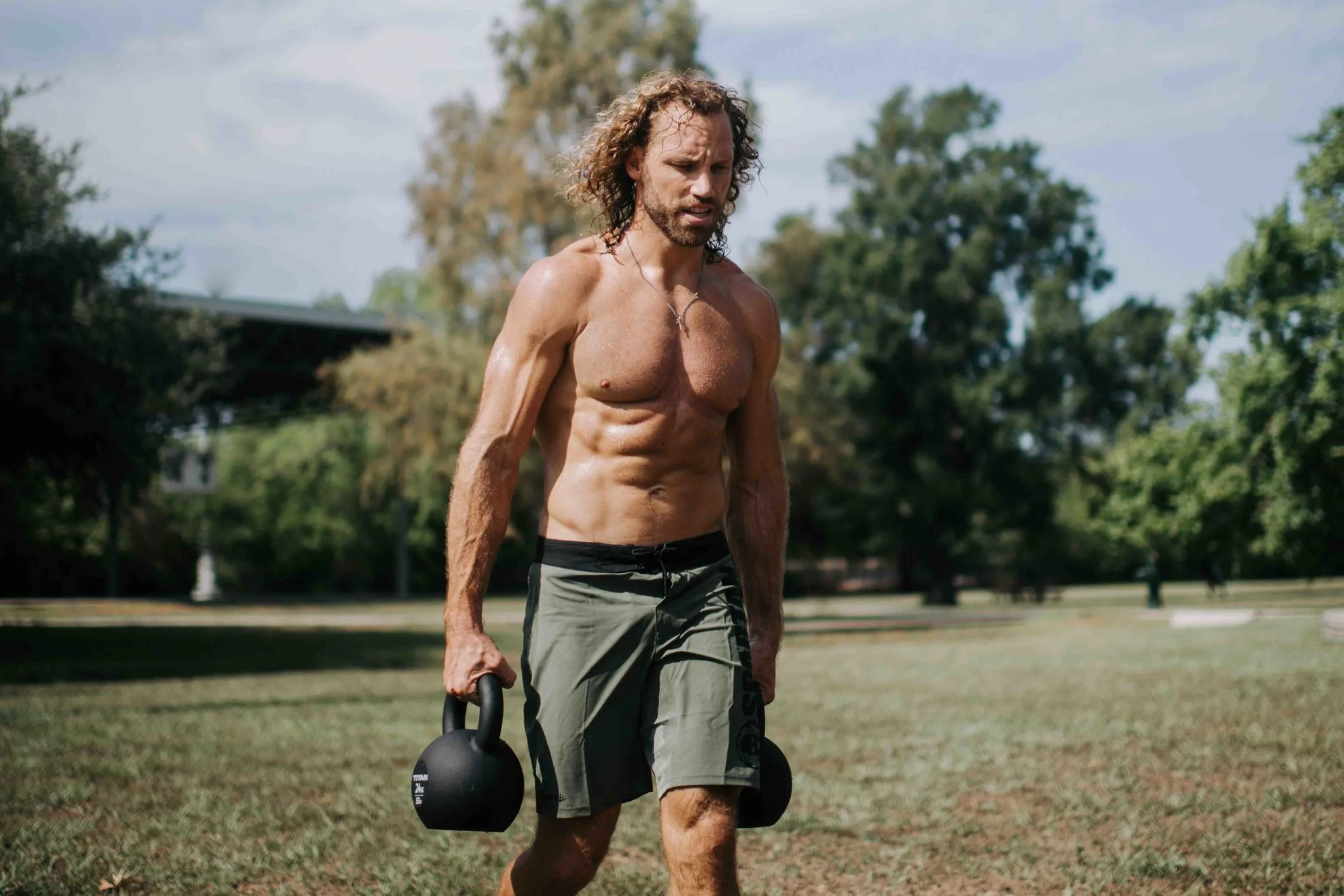
    MS: How would you describe how you train?

    GM: That depends on the time of year. When I’m doing Ninja Warrior and competing, that runs from December to June, and July is competition season. And when I’m in season, it’s very obstacle-focused, and that’s very different from the off season. In season, I get so tired of pulling and pulling and pulling. My shoulders are rotating forward and I’m overdeveloping and hurting things, so that’s why I go into more pushing and lifting in the off season.

    I like CrossFit because I like being a bigger build, and my body likes that stuff. Depending on if I’m traveling three to four or five days a week, I’ll hit CrossFit — warm-up, strength, and skill — and then after, I’ll do specific accessory skill or strength work, like Olympic lifting.

    Grant Mccartney’s Nutritional Approach

    MS: What does the Island Ninja’s meal plan look like?

    GM: It’s definitely still a work in progress. I used to eat pretty poorly, but I’ve gotten away with eating a lot of sugar and candy my whole life because I had, and have, such a high output. I basically can eat a lot of things and my body will turn it into fuel at this point, and it’s great. But my biggest learning is that not all fuel is the same quality.

    So, having a Snickers bar will get me through a workout, but it doesn’t get me through a workout in the same way that sweet potatoes would. And I’ll feel the slow breakdown of a complex carb in a heavy, hard CrossFit workout, whereas I won’t as much with something I had just to make it through that last tail end or right in the middle of it.

    MS: You’ve been working with Wild Heath, the precision medicine company?

    GM: Yeah, I’m on with Wild Health. We’ve gone through all of the blood work and all of the samples and other things. They’ve given me my first focus, and it was a lot on diet. Trifecta Nutrition has also started sending me meals, but we’re going to work on doing a partnership next year. That’s going to make things way easier for me, too, because cooking is a tough one — I’m not a great cook. I usually just pick up something.

    MS: What would you say you learned from the Wild Health process, in terms of nutrition? 

    GM: We’re definitely going to focus on cleaner snacks, like an RxBar instead of a candy bar. Some protein bars are almost candy bars anyway, but anything I can do to start to slide the scale more toward healthy is a win. I also learned that my body can genetically handle carbs well, so that’s great for how active I am. However, my body doesn’t do well on fat, so we’re going to look at that more closely.

    The Island Ninja’s Recovery Protocol
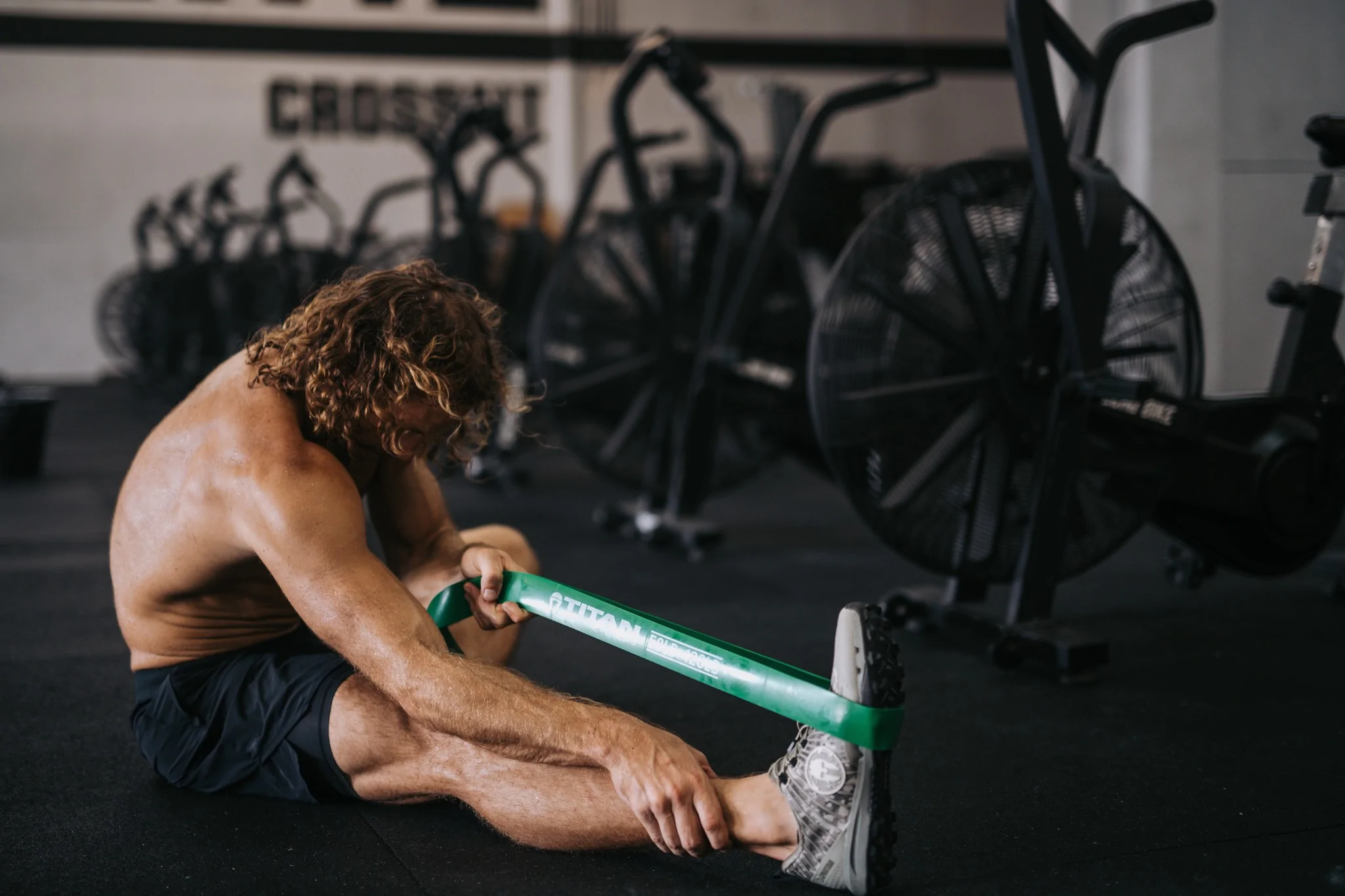
    MS: For as physically active as you are, how do you make sure you’re recovering well?

    GM: I’m heavy on hot and cold therapy. If I could have the perfect setup, I’d have an ice bath, like a PLUNGE, and I’m talking in the 40-degree range. I’d be in there for five minutes, and then in the heat for 15, and I do that for three rounds.

    Stretching is also crucial, and I’m learning more and more about the importance of that. I know my bad areas — my hip flexors, my legs, and my butt — so when I come out of the cold, I’ll slowly move, I’ll get in the heat and stretch through the heat, and then I’ll get back in the cold. And when my legs are really smoked, too, I have the Normatec boots as well. That’s my ideal recovery.

    MS: Can you tell us a little about the training program we’re working on?

    GM: When I was writing the programming, I had written it and unwritten it. I went running, and then I went, “Nope, that’s not it.” I wondered, Is this really going to help people? Is this going to make them better? So, I kept rewriting it until I felt good about it, and I even asked my friend and Skyline CrossFit coach Ryan Kucish to help, because he’s worked with a lot of other Spartans.

    Where we landed is a program with a lot of obstacle skills stuff, running, carries (lots of carries), and some CrossFit-style training that will translate on the course. Titan Fitness, Spartan’s equipment provider, outfitted an entirely new at-home gym for me with everything from dumbbells and kettlebells to heavy slam balls, a sled, a fan bike, and more — anything and everything that a Spartan, or functional fitness enthusiast needs to be ready for anything.

    For a new training plan to try, check out the 4-Week Spartan Island Ninja Training Program with Mccartney at spartan.com

  • The daily office routine: exercises to do at your desk

    The daily office routine: exercises to do at your desk

    I’ve worked in an office my entire professional career, but about 10 years ago I was walking around a golf course doing loops with two bags on my shoulders. It was probably one of the best jobs a high school and college student could have. You learn how to communicate better, build a rapport, cultivate relationships, and get to make some analytical decisions with some accountability to go along with it. A laser-sharp short-game also naturally comes with the territory.

    With all of those great life and pre-degree business experiences aside, it’s also almost impossible to get out of shape. However, when it is possible to fall off the wagon is when you’re working 10+ hour days at a desk with a modest commute on top.

    Is your gym reopening? Looking for a new plan? Check out our 4-week Restart workout plan.

    Instant solution: land a job where you can negotiate deals during a round of golf 5 days a week and couple that with a strength-training routine at night along with a low-to-moderate carb diet. You’d be a physical monster, I can almost guarantee it. Although, the likelihood of landing that is a bit of a long shot.

    Resetting expectations… what you realistically can do is strength train at night, stay heavily active on the weekend, follow a low-to-moderate carb diet, and perform these simple, office-friendly moves.

    While these won’t get you ripped—and they aren’t meant to do so—they will help alleviate aches, pains, and stiffness that’s associated with sitting for extended periods of time. Staying loose and mobile will extend your athleticism and keep you doing the things you love (and keep you in shape).

    Your new marching orders

    First and foremost, get a standing desk and get up periodically throughout the day. Let’s not labor over the specifics of when and for how much, but if you’re new to this, I’d shoot for a cumulative duration of 2 hours. After a couple weeks, progress to 4 hours.

    Secondly, when you are seated, be much more conscious about sitting upright with your shoulder blades back. Favor sitting on the front of your chair and away from the back rest.

    Execute the following moves either: 

    a. during the first 15 minutes you arrive at work and the last 15 minute minutes before you leave.
    b. for 30 minutes around lunchtime

    1. Seated hip stretch

    2. Standing hip stretch

    3. Standing torso rotations

    4. Overhead shoulder retraction

    5. Chair crunch or seated isometric

    6. Wrist stretch

    *7. Neck rotation

    In an upright seated position rotate your neck to the left as far as possible without moving your shoulders. Hold for 5-10 seconds. Switch to the right side. Rest 10 seconds. Repeat for 5 reps on each side.

    There’s no reason you can’t do these while reading or emailing or conducting phone calls.

    Finally, don’t ever, ever, ever, quit your passions. If you play golf, surf, bike, hike, or are a semi-professional competitive alligator wrangler or bull rider, don’t quit.

  • 5 muscle-building seafood recipes that aren’t salmon

    5 muscle-building seafood recipes that aren’t salmon

    If you asked a fitness expert to name the one food they eat the most, 9 out of 10 would probably say chicken. Not that there aren’t other options out there, like lean beef, eggs, or even fish, it’s just that chicken is a staple. Now, if you asked the same question, but said it needed to be seafood, you’d probably get salmon as the winning answer. Of course, another staple. By the way, you should always be getting the wild, not the farm-raised, but that’s another story.

    The great thing about seafood is that it’s high in protein, low in carbs, and has a nice serving of healthy fats.  While there are nutritional differences between them, for the most part, all fish, as long as you don’t fry the stuff is perfect in any diet. The following are five great ways to diversify your chefin’ abilities beyond salmon (and chicken).

    For helpful advice on how to build your own meal plan and eat the way that works for you, read our story on intuitive eating for lean muscle. Or for a fit-guy/girl’s grocery list, check our lists of the 25 best muscle-building foods. Tired of your current workout plan? Well, we’ve got 30 free plans you can chose from.

    Let us know what you think. Hit us on social (@humanfitproject). Want to a share a recipe of your own? Pop some photos and send the details on over. We might just feature you and your masterpiece. 

    1. You can always build muscle with a pile of mussels


    View this post on Instagram


    A post shared by humanfitproject (@humanfitproject) on

    What you need:
    32oz fresh mussels (rinse well)
    2 diced garlic cloves
    1 diced medium shallot

    How to make it happen:
    Cook until soft or slightly browned, then add: 1 cup chicken broth and 1/2 cup white wine vinegar
    Cook for approximately 6-8min on medium heat with a lid.
    Stir, cook for another minute or two.
    Remember: mussels should be closed before cooking, if not, tap it. If it closes, all good. If not, chuck it. Mussels should open after cooking, if not, chuck it. Also, don’t forget to debeard them… just pull the stringy stuff.

    2. There’s no doubt about the benefits of halibut


    View this post on Instagram


    A post shared by humanfitproject (@humanfitproject) on

    What you need:
    6-8oz filet of halibut
    1 leek
    1/2 red bell pepper
    1/2 purple bell pepper
    1/2 squeeze lemon
    ground pepper

    How to make it happen:
    Pre-heat oven to 400
    Wrap the halibut and the thinly sliced leeks, peppers, and lemon juice in parchment paper. Seal well to trap the heat and moisture.
    Bake for approximately 16-18 minutes

    3. The gains you get from flounder will be no fluke


    View this post on Instagram


    A post shared by humanfitproject (@humanfitproject) on

    What you need:
    4 filets (16oz)
    1 large tomato
    2 minced garlic cloves
    2 tablespoons thinly sliced basil
    1 tablespoon extra virgin olive oil
    1 tablespoon lemon juice
    Black pepper
    Salt

    How to make it happen:
    Preheat oven 425
    Bake the mixture, minus the fish for 5 minutes
    Season the fish with salt&pepper, layer over the mixture
    Bake for additional 10-12 min
    Slightly-modified @bonappetitmag recipe.

    4. This scallop and shrimp stew will not only bulk you up, but warm you up, too


    View this post on Instagram


    A post shared by humanfitproject (@humanfitproject) on

    What you need:
    6-8 oz mushrooms
    2 cups finely diced fennel
    1 cup finely diced onion
    4 garlic cloves, smashed and roughly diced
    2 tbsp tomato paste
    1 cup dry white wine vinegar
    4 cup chicken stock
    1 tsp fish sauce
    1 can of diced tomatoes and juices
    1 pound shrimp
    1 scallops
    ½ tsp chili flakes or cayenne
    salt and pepper to taste
    ½ cup chopped flat leaf parsley
    1 lemon

    How to make it happen:
    In a large heavy bottom deep skillet, brown 6-8 ounces mushroom in a little olive oil. Once browned, set aside.
    In same skillet (wipe clean), heat 2 tbsp olive oil on med high heat. Add fennel, stir often for about 3 minutes. Add onion, turn heat down to med and saute both until tender, about 8-10 min.
    Add garlic, sauté 3 min, stir occasionally, until garlic starts turn golden. Add tomato paste. Turn heat up to high, constantly stir, until paste darkens, about 3 more min.
    Add white wine and turn heat down to medium high, stir until it cooks down by half, about 2 min.
    Add chicken stock, tomatoes, browned mushrooms, and fish sauce and bring to a simmer.
    Add salt and pepper to taste, and chili flakes. Squeeze with half the lemon.
    Add fish and simmer a couple minutes.
    Modified recipe from feastingathome.com

    5. The cod could be the change you’ve been fishing for


    View this post on Instagram


    A post shared by humanfitproject (@humanfitproject) on

    What you need:
    20-25 asparagus spears
    2- 8oz cod fillets
    1 tbsp extra-virgin olive oil
    1 thinly sliced large lemon
    Salt and pepper
    Fresh dill for garnish

    How to make it happen:
    Preheat oven to 400.
    Put 10-12 asparagus spears in center of parchment paper and place cod on top.
    Drizzle a little olive oil over the cod.
    Season with salt and pepper
    Add 2-3 slices of lemon + dill
    Fold the parchment paper up so it’s completely closed.
    Bake for 20minutes. Let sit for 5min.

  • The Best Exercises To Prepare for Spartan Race Obstacles

    The Best Exercises To Prepare for Spartan Race Obstacles

    For first-time obstacle course racers, nothing will ever compare to getting out there and practicing on the actual obstacles themselves. That’s where you’ll truly learn the technical skills, bodily control, and the muscular demands to get them done. The ideal situation — if you ever plan to get competitive — is to be out there consistently doing as much race simulation as possible, both logging miles on the trails and performing the obstacles.

    However, if you’ve signed up for your first Spartan race, haven’t raced in a long time, or don’t have much time to train (but still want to beat your friends or coworkers), here are the best exercises for the hardest obstacles you’ll face in on the course.

    Related: The Best Workout Plan for Your First Obstacle Course Race


    View this post on Instagram


    A post shared by humanfitproject (@humanfitproject)

    The Rope Climb Obstacle

    Contrary to what you might think, the Rope Climb is a full-body exercise — not just an upper-body one. Why? The pros know that to be as efficient as possible while climbing, you should be practicing a J or S hook. These are technical skills that involve wrapping your feet around the rope, enabling you to save your arms while leveraging your legs to support and power you up. Definitely practice the leg hooks, but make sure those arms and legs are strong as well with the following exercises.

    • Squat
    • Tuck Jump
    • Dead Hang, Pull-up, or Inverted Row
    • Pull-Down
    • Reverse Curls

    The squats will strengthen your legs, the tuck jumps will enhance your lower-body power, the dead hangs, pull-ups, inverted rows, and pulldowns will improve your upper-body vertical pulling strength, and the reverse curls will strengthen your forearms.

    The Atlas Stone Obstacle

    The Atlas Stone is a bend and lift. You’ll have to really turn on all of the muscles in your core and use a lot of your legs to save your back. Then, rely on your arms to do some carrying.

    • Plank
    • Side Plank
    • Sit-Up or Hollow Hold
    • Weighted Front-Rack Carry
    • Sumo Deadlift

    The plank, side plank, and sit-up (or hollow hold) will develop your core strength from multiple angles, the weighted front-rack carry will also strengthen your core, legs, and shoulders. The sumo deadlift will strengthen your back, glutes, and hamstrings.

    The Olympus Wall Obstacle

    The Olympus Wall is awkward as hell. Age Group winners and Elites alike say that there seems to be a few different ways to do this one efficiently. But either way, your legs, arms, and grip will be truly tested. No matter how well-trained you are, when it comes to race day, you can only pray that no one from the Spartan Media Team is capturing any photographic evidence of your attempt to traverse this often burpee-inducing obstacle.

    • Isometric Squat Hold
    • Plate Pinches
    • Dead Hang

    The isometric squat hold will simulate what it would be like to prop yourself up with your feet into the Olympus Wall, and the plate pinches will improve your grip strength by taxing the small muscles in your fingers along with your forearms. Similarly to the plate pinches, the dead hang will improve your grip strength while also strengthening your shoulders and back.

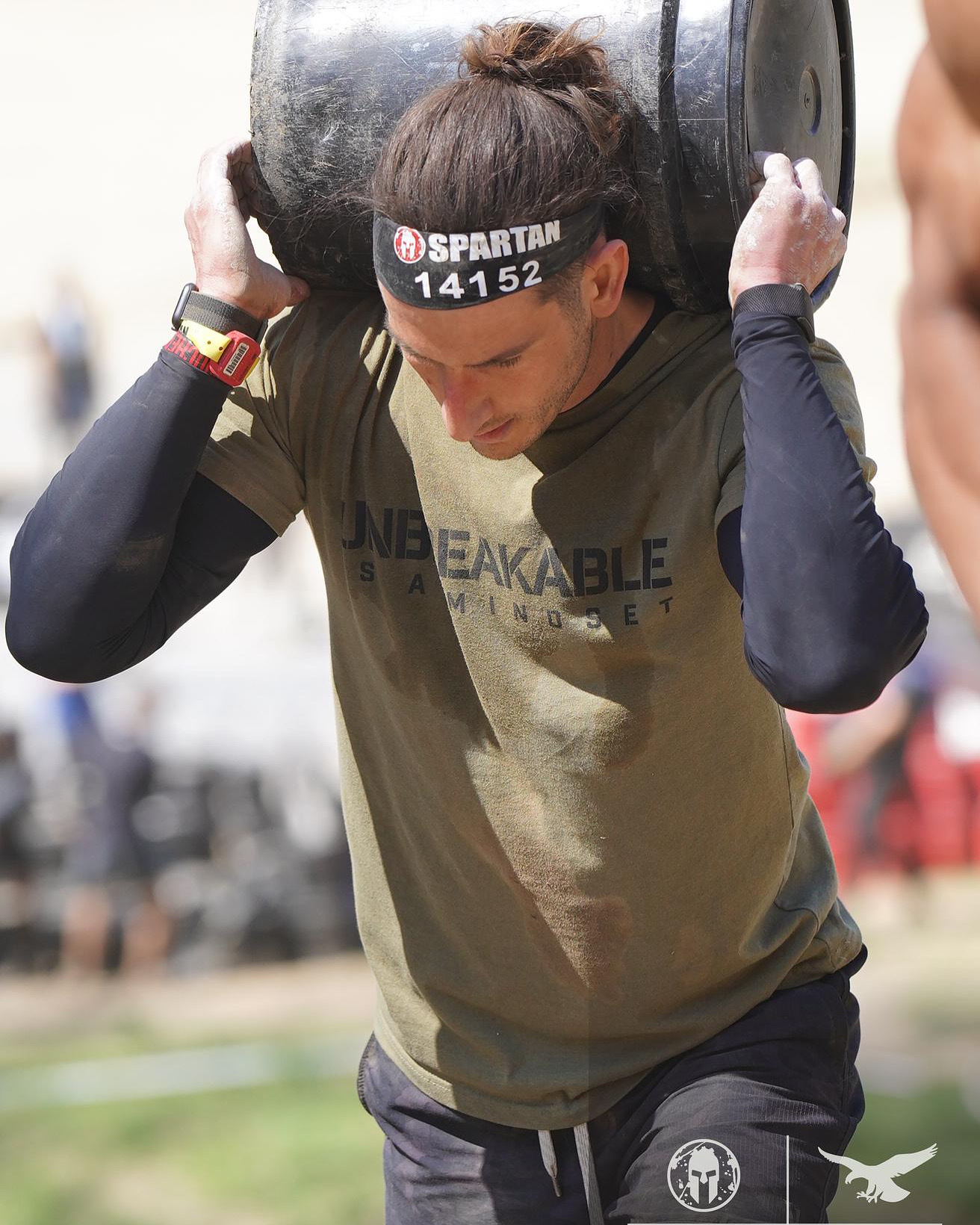
    The Sandbag or Bucket Carry Obstacle

    The Sandbag and Bucket Carry are at about equal suck level, depending on who you ask. While the Atlas Stone is heavy, it’s a relatively quick challenge in comparison to the slow and painful slog of the Sandbag and/or Bucket Carry. Again, this is another obstacle with different techniques depending on personal preference, but you’ll want to build as much strength and muscular endurance in your legs as possible.

    • Squats
    • Lunges
    • Weighted Step-Ups
    • Weighted Incline Walk

    The squats and lunges will strengthen all areas of your legs while the weighted step ups and weighted incline walks will simulate the muscular demands of an uphill carry.

    The Barbed Wire Crawl Obstacle

    The Barbed Wire Crawl is sneakily tough. How tough can crawling be? Well, very, especially when you need to stay low enough not to slice yourself open. (And when it’s anything further than about 10 or 15 feet … and up a hill.)

    Your core, legs, forearms, and shoulders will be burning like hell the whole way.

    • Bear Crawl
    • Crab Crawl
    • 90s Stretch
    • Pigeon Pose
    • Burpees

    The bear crawl is a perfect simulation of the Barbed Wire Crawl obstacle. It will strengthen your core, legs, and shoulders. Flipping over and crab crawling will counterbalance the bear crawl by strengthening the opposing muscles. This will eliminate any weaknesses or imbalances. The 90s stretch and pigeon pose will improve your hip mobility in the event that you need to get even lower to the ground at certain points. What purpose do the burpees serve? To race fast, you need to train fast.

  • I WILL ALWAYS CHASE THE PAIN

    I WILL ALWAYS CHASE THE PAIN

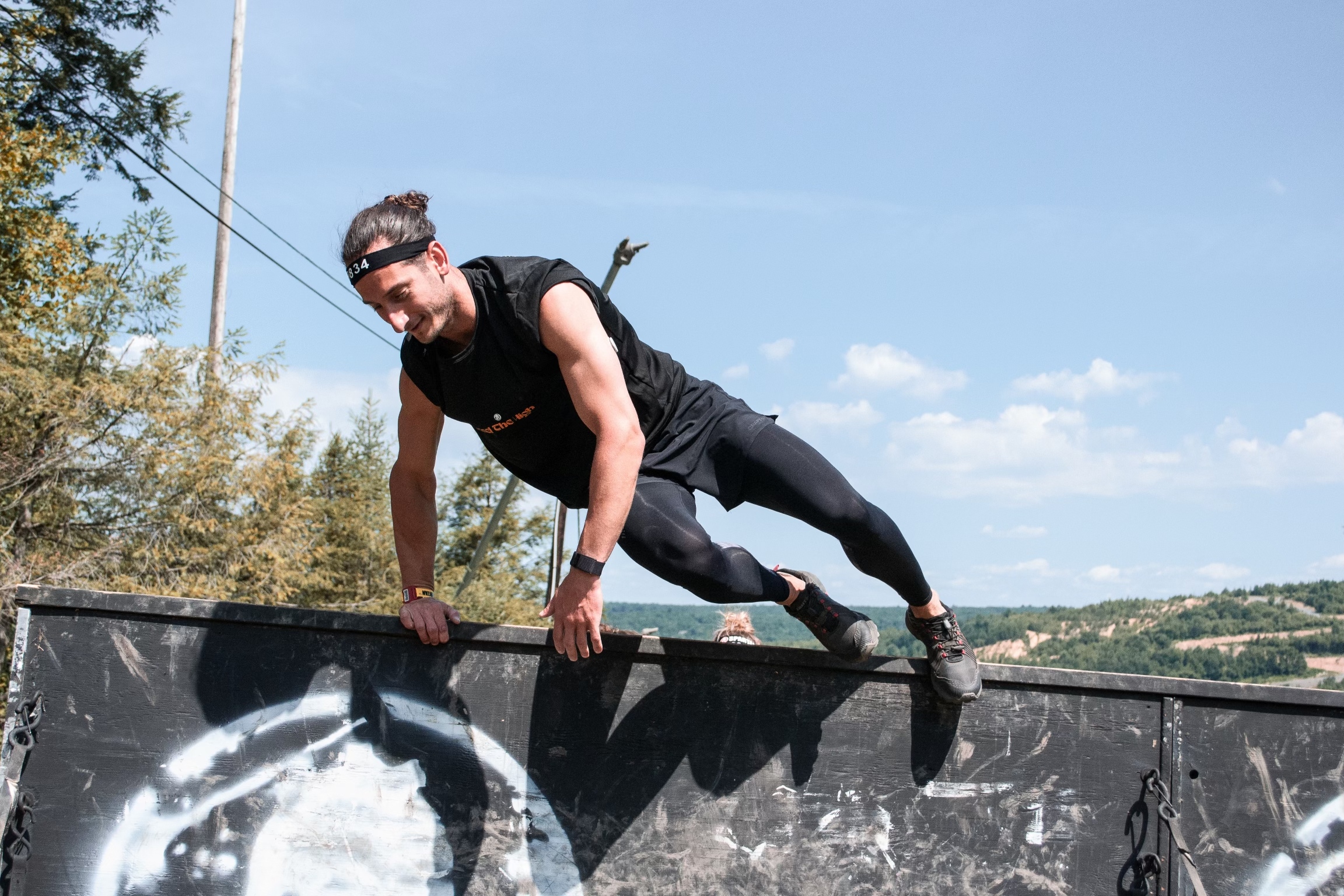
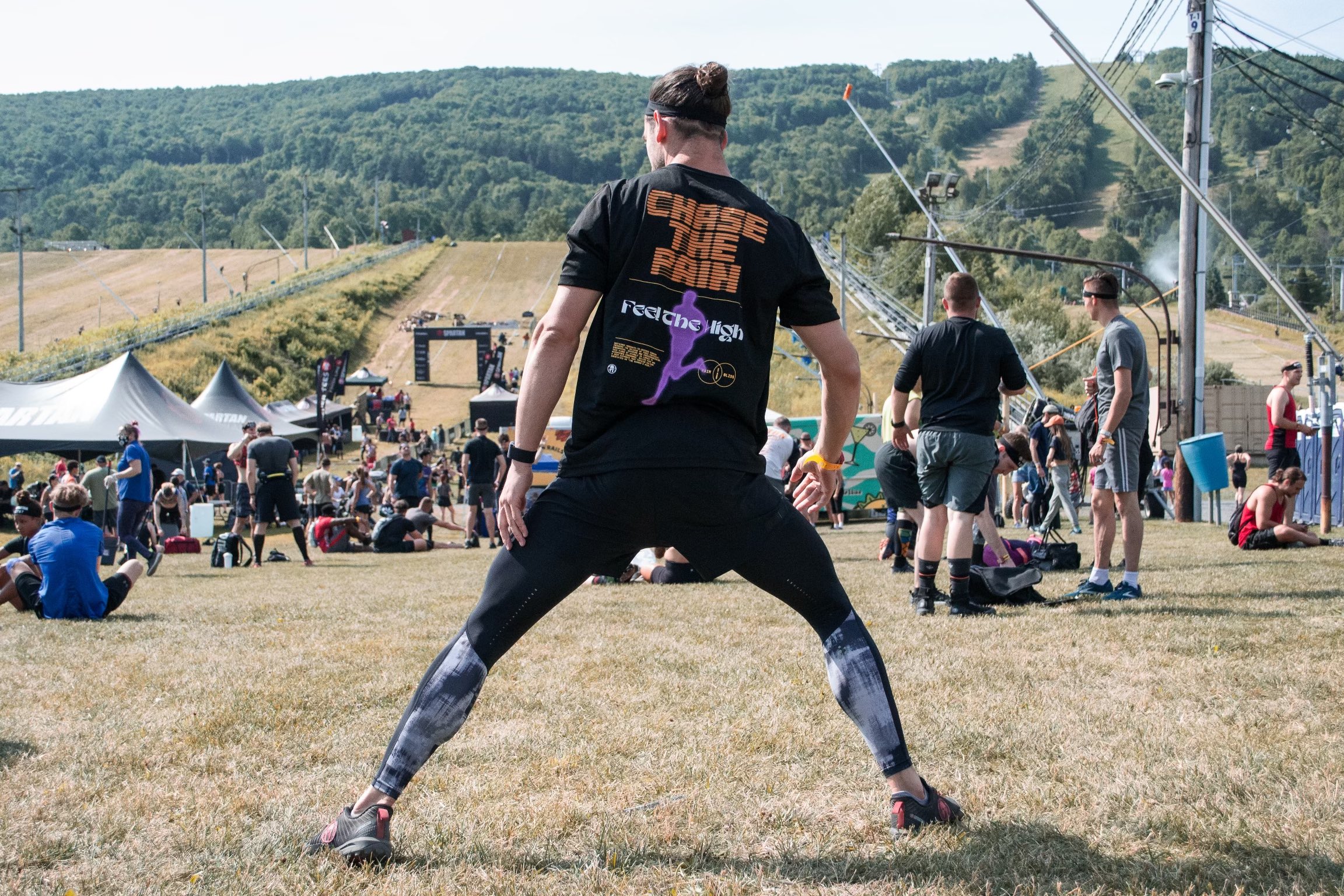
    CHASE THE PAIN has been one of the most exciting projects I’ve had the opportunity to work on with the team at SPARTAN in collaboration with Craft Sportswear. First and for most, we’re not talking about debilitating physical pain here. We’re talking about the willingness to accept the mental pains of being disciplined, making sacrifices, and having an unwavering commitment to being great or achieving a goal. Sure, if it’s a physical feat then some “pain” may involved, but we were actually talking about the mental struggle.

    You want to drop 20 pounds? You better believe it’s going to be a pain to do it. You want to launch a successful business or land a promotion? You better believe that’s going to be a pain. If you want something, you need to face challenges, and CHASE THE PAIN. I have a feeling some of our long-time HFP followers get it. At least I hope so.

    After interviewing countless elite athletes, world-class coaches, business leaders, and everyday warriors, something that always stands out when asking them about what it takes to be successful is that they are not, or were not, afraid of pain. Pain means doing what it takes, no matter how hard it is. Nothing comes easy. I can also personally attest to that. I was able to accomplish all that I’ve accomplished, physically and professional by being wildly disciplined and focused. And nothing came (or comes) easy.

    But more recently, in an interview with professional runner David Laney, we asked him what goes through his mind on mile 20, 60, or 80 of a 100-mile run — something that more than 99% of people would never think of doing. He said, “nothing much, it’s painful.” But — as a cruel twist — those long, painful runs actually give him focus, clarity, and even peace. And in that moment, the idea of creating something special, and in this instance, for Spartans, a community that absolutely lives and breathes that sentiment, became a reality.

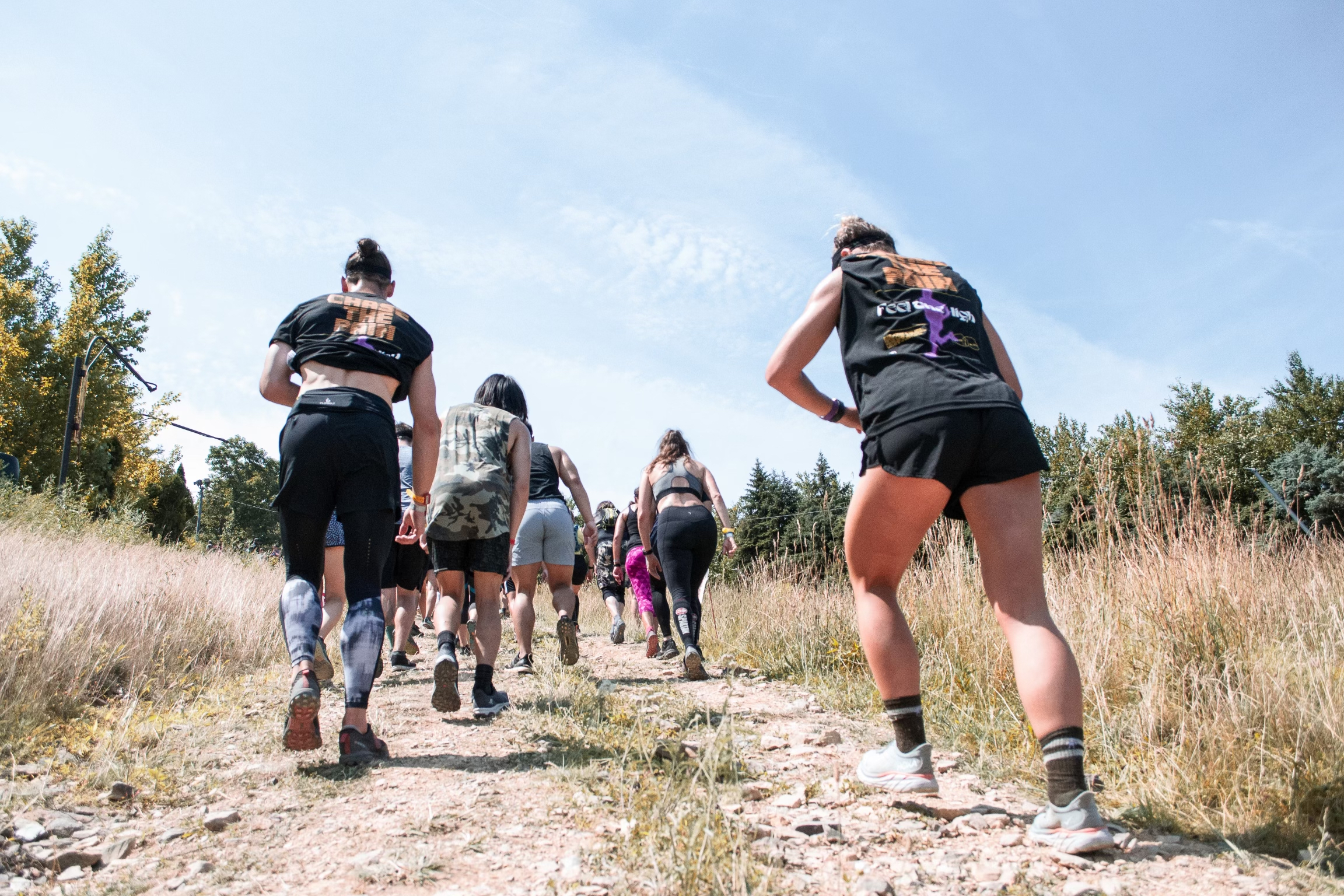
    After dozens of brainstorms and dozens of design rounds that were — at times — more painful than others, we came up with CHASE THE PAIN, and produced a limited stock of premium performance T-shirts. You can try and get one here if you dig the message, but only a limited supply was produced and it’s pretty much sold out.

    We knew it wouldn’t be for everyone. We knew many wouldn’t understand it. And we know a lot of others probably hate it. But at the end of the day, winners aren’t afraid of tough things. They chase them. Because they know the high is on the other side of the lows. The good comes from the temporary discomfort.

    We ran around Brooklyn and took them to one of Spartan Race’s toughest courses (#4, to be exact). Then we shared it all on social media. That was the fun part of putting in all hard work. And here’s the thing: This is a project and opportunity will stick with me forever. It will remind me to always work hard and be disciplined and it pays off.

    CHASE THE PAIN. Feel the high. Please train responsibly.

    I’m curious to hear what you think. Send me a DM on Instagram @mike_simone or @humanfitproject

    CREDITS

    Design Work: Dylan Shrier
    Photography: Dylan Shrier and Respective Collective
    Film: Respective Collective
    + many others in Spartan Marketing

  • 30 Days to Beast: How I Trained for a 21K Spartan Race

    30 Days to Beast: How I Trained for a 21K Spartan Race

    There’s something special about the 21K, 30-obstacle Spartan Beast for a first-timer with a little bit more grit and fitness than a true first-timer. It’s long, but not too long. If you can run a 5K or 10K fairly efficiently, sure, you could do a Sprint or a Super like most would. But why not take the plunge into Spartan World by trying the Beast first? I tried it myself and survived, so here’s how you can, too. Also, if you want to race, don’t pay full price! Get 25% off by using the code HFP25 at checkout on spartan.com

    First, some background:

    The last time I did any sort of obstacle course was around 2013. I ran a short sample course at Reebok Headquarters in Canton, Mass. with Joe De Sena himself as a part of a campaign for the magazines that I was working for at the time. I followed Joe and carried logs, climbed walls, and failed the rings. He watched me do 30 burpees. Every single one of them. (Seriously, he counted.)

    The second time I dabbled in OCR was at the GoPro Mountain Games in Vail, Colo. in 2015, where I did what was similar to a Spartan Super — about 6 or 7 miles with obstacles. Surprisingly, I did fairly well, although my lungs weren’t used to the altitude. Fast forward almost a decade, and I got hooked on OCR. Coming off of a brutal shoulder surgery and frustrating chronic pain, I wanted to prove to myself that I’m still tough and gritty enough to crush my way through.

    I chose the Vernon, NJ Beast — the fifth-most difficult Spartan course in the country — on April 30, 2022 and ran in an Open heat with the goal of having fun on the obstacles (which I’m obsessed with) and just getting through. I finished in 4 hours and 21 minutes, but — in hindsight — I honestly think I could have broken 4 hours. It was tough, but it was fun as hell.

    So here’s the deal: If you’re pretty fit (both physically and mentally), go ahead and skip the Sprint and Super and take on the Beast!

    How 30 Days to Beast Works

    First, I needed to strengthen my weaknesses, which were primarily running endurance and adaptability to rough terrain and elevation.

    I wouldn’t consider myself an endurance athlete — never was one. I would consider myself a hybrid athlete, but with more of a background in traditional strength training and cross training. Regardless, I’m definitely not a runner, so I needed to build up to longer distances. Every Sunday was a long and slow run that progressed week over week, peaking at 14 miles. Every Wednesday was a shorter distance run that I did at a significantly faster pace. This provided a nice balance.

    I live at sea level, and while I have experience running on sand (which was helpful), my technical trail running is mediocre at best. Anywhere I run is typically dead flat, so going uphill is always hell. I knew that I needed to get at least one day in per week on a trail. In addition to my Wednesday shorter-distance runs, I threw in some hill sprints or short runs on the beach with a weight vest. On both running days, I would also perform burpees, muscle-ups, and/or toes to bar to simulate racing.

    The other days of the week were either lower-body strength in the gym to keep my legs strong, or upper-body pulling to keep my back, shoulders, and forearms primed for obstacles. A day of complete rest was baked in for recovery. Fortunately for me, I’ve got a good upper-body strength and some general athleticism, so carrying heavy things, playing on monkey bars, and swinging on rings sounds like a party to me.

    Is this program for highly-competitive Age Groupers? Probably not, but will it help a first-timer get through feeling healthy and strong? Absolutely.

    The 30 Days to Beast Program for First-Time Spartan Racers


    View this post on Instagram


    A post shared by Mike Simone (@mike_simone)

    Sunday: Long and Slow Run + Burpees

    Week 1: 8 miles + 120 burpees

    Week 2: 10 miles + 90 burpees

    Week 3: 12 miles + 90 burpees

    Week 4: 14 miles + 60 burpees

    Monday: Upper-Body Strength and Obstacle Prep

    Bird dog (5 sets x 10 reps)
    Pull-ups (5 sets to failure)
    Rows superset with floor presses (5 sets x 10 reps)
    Farmer carries (5 sets with 50 pounds for max distance)
    Crawling (5 sets x 2 minutes each)

    Tuesday: Easy Uphill Walking Slog with Weight Vest

    30-60 minutes at 2.8 mph with a 15% grade

    Wednesday: Shorter, Quicker Run + Sand

    3-5 miles + ½ mile beach run with weight vest (or simply add the vest and run on whatever terrain you have available)

    Thursday: Lower Body Strength + Additional Dead Hangs

    Traveling lunge (2 sets x 10 reps each direction — forward and reverse)
    Single-leg deadlift (3 sets x 10 reps)
    Front squat (5 sets x 10 reps)
    Split squat (3 sets x 10 reps)
    Chops (3 sets x 10 reps each side)
    Dead hangs (5 sets x as long as possible)

    Friday: HIIT Session

    4 rounds for time: 500-meter row, 800-meter run

    Saturday: OFF

    Rest and recovery

    Commit to Your First Race

    If you can easily run a 5K, commit to a Sprint.
    If a 10K is a breeze, commit to a Super.
    If a half-marathon is no problem, commit to a Beast.
    If you can run a marathon (and/or are downright crazy), commit to an Ultra.

  • The Wind Down Workout: A Mobility and Recovery Routine To Do Every Night

    The Wind Down Workout: A Mobility and Recovery Routine To Do Every Night

    Staying physically fit and being mentally focused are two very important priorities for me. My physical fitness enables me to move, explore, and enjoy the sports I love. And my focus and productivity enables me to earn a living in order to do those things that I love so much. I’ve learned a lot over the years about how to build the body and condition it to perform, and I’ve just started to scratch the surface on how to condition the mind too. I’m always trying to maximize and optimize. I work out hard and I think hard too. I’m consistent and persistent. But one of my biggest learnings to date has been that it’s impossible to go at things full throttle all the time. It leads to injury and burn out. While embracing discomfort is a necessity to be a high performer, so is knowing when and how to pull back. Curious to know what my perfect day for brain and body performance looks like? Read this.

    The following is a mobility and recovery routine that I practice most, if not every night. The purpose is two-fold: calm my mind to prepare for sleep and keep my joints healthy.

    As some of you may know, I’m a believer in the benefits of infrared saunas. For more details around why, check out this piece I wrote for spartan.com. That said, I don’t own an infrared sauna, or have regular access to one, so I have been experimenting with an infrared mat by HigherDose. I will typically lie on my back for 20 – 30 minutes and my stomach for 20 – 30 minutes and perform the following movements. Some nights these movements are held statically like a pose, other nights they are done more dynamically. For example, I may hold a pigeon pose for 30 seconds, or I may go in and out of if, pushing myself a bit further each time.

    I’m also a believer in the benefits of percussion therapy so I’ll use my Hypervolt throughout the day and before any type of exercise. After recovering from another shoulder surgery in mid-2021, I’ve also experienced some success with supplementation like Mab & Stoke’s Recovery Cream and Recovery Sticks. While quality nutrition can never be replaced, I do believe there is some power in their formulations that include cannabinoids CBG and PEA along with turmeric. I’ll apply their cream before bed and have a stick in the morning.

    SUPINE POSITION: Lying on my back

    Upper back foam roll

    30-60 seconds. 3 sets.

    PRONE POSITION: Lying on my stomach

    Scorpions

    5 reps each side. 3 sets.

    Swimmers

    10 – 15 reps. 3 sets.

    Cobra

    10 times up and down. 3 sets.

    KNEELING POSITION

    Thread the needle

    5 reps each side. 3 sets.

    Child’s pose

    30 seconds. 3 sets.

    Pigeon

    30 seconds each side. 3 sets.

    SEATED POSITION

    90 / 90 transitions

    5 reps each direction. 3 sets.

    Seated twist

    30 seconds each side. 3 sets.

    Forward fold

    30 seconds. 3 sets.

    SUPINE POSITION: Lying on my back

    Bretzel stretch

    30-60 seconds per side. 3 sets.

    Happy baby

    30 seconds. 3 sets.