Author: HUMANFITPROJECT EDITORS

  • The 8-Week Strong and Lean in 2025 Workout Plan

    A lot can change in a decade, but something’s just don’t need to — like a solid strength and conditioning plan. In 2015, we launched the original “Strong and Lean” program in partnership with Men’s Fitness magazine (now Men’s Journal), featuring coach Ryan Heffernan of FOCUS NYC  which quickly became a cornerstone for fitness enthusiasts looking to transform their bodies and lives. Fast forward to 2025, and we are excited to re-introduce the program: The Strong and Lean in 2025 Workout Plan.

    The “Strong and Lean in 2025” program isn’t just about lifting weights and counting calories — it’s about understanding the synthesis between mind and body, and harnessing the latest tools and techniques to optimize your health. Whether you’re a seasoned athlete or just beginning your fitness journey, this program is structured to help you achieve your best self yet, focusing on building lean muscle, enhancing strength, and promoting a sustainable lifestyle that transcends the gym.

    Our program incorporates cutting-edge training techniques, including tailored resistance training to maximize muscle hypertrophy, dynamic mobility work to improve functional movement, and strategic cardio sessions that boost endurance without compromising muscle gains. We also delve deeper into the nutritional strategies that support these workouts, emphasizing whole foods, balanced macros, and the timing of nutrients to enhance recovery and performance.

    As you begin this journey, remember that “Strong and Lean in 2025” is more than a fitness routine—it’s a commitment to a healthier, more empowered you. Get ready to push your limits, challenge your perceptions of what’s possible, and emerge stronger, leaner, and more resilient than ever.

    Related: How to eat for more lean muscle in 2025

    Also related: 6 tips for success in the strong and lean workout plan

    The following is a listing of the workouts for week’s 1-4 the Strong and Lean in 2025 program.

    Monday

    SUPERSET (2/3 sets)
    Dumbbell Chest Press x 10 reps
    Barbell Deadlift x 3,5 reps (Three prep sets are needed for the deadlift. The one working set of a deadlift is pulled at 1:30 after the last set of chest presses)
    Rest 3-4 minutes between sets

    CIRCUIT ONE (3 sets)
    Incline Dumbbell Chest Press x 12-15 reps
    Barbell Front Squat x 12 reps
    Palloff Press x 10 reps
    Rest 2-3 minutes between sets

    CIRCUIT TWO (3 sets)
    Push Ups x 15-failure reps
    Cable Flye (High to low) x 12 reps
    Side Plank Scoops x 12 reps each side
    Rest 1-2 minutes between sets

    Tuesday

    Treadmill x 4 sets (30 seconds work, 20 seconds rest)

    CIRCUIT ONE (3 sets)
    TRX Row x 15,15,15
    Dumbbell Curl x 15,12,10
    Triceps Pressdown x 15,12,10
    Kettlebell Swings x 15,12,10
    Medicine Ball Lateral Throw x 15,15,15
    Medicine Ball Crunch with Throw x 15,15,15
    Rest 2-3 minutes between sets

    CIRCUIT TWO (3 sets)
    EZ Bar Curl x 15
    EZ Bar Skull Crushers x 15
    Dumbbell Lateral Raises x 15
    Rest 2-3 minutes between sets

    Wednesday

    Foam Roll x 5-7 minutes
    Half Kneeling Hip Flexor with Arms Overhead x 4 each side
    Cat Cow x 6-8
    Thoracic Spin Rotation x 4 each side
    Cobra with Turn x 2 each side
    Child Pose with Turn x 2 each side
    Scap Breakers x 6-8
    Scap Wall Slides x 6-8
    Leg Swings x 10 each leg
    Straight Leg March x 20 yards
    Deconstructed Squat x 5

    SUPERSET ONE (3 sets)
    Walk Out Plank Hold x failure
    V-Up Hold x failure
    Rest 1 minute between sets.

    SUPERSET TWO (3 sets)
    Medicine Ball Suitcase Crunch x 10-12
    Medicine Ball Russian Twist x 20-30
    Rest 1 minute between sets

    FINISHER (2 sets)
    Plank on Hands with Shoulder Taps x 20
    Plank on Elbows with Knees to Elbows x 20
    Plank Hold x failure

    Thursday

    SUPERSET  (3 sets)
    Barbell Back Squat x 12
    Weighted Chin Up x 12

    CIRCUIT ONE (3 sets)
    Barbell Romanian Deadlift x 12
    Landmine Anti-Rotation x 12
    TRX Reverse Grip Row x 12
    Rest 2 minutes between sets

    CIRCUIT TWO (3 sets)
    Wide Grip Lat Pulldown x 12
    Single Arm Dumbbell Row x 12
    Stability Ball Plank with Arm Circles x 30-45 seconds
    Rest 2 minutes between sets

    Friday

    Treadmill x 4 (30 seconds work, 20 seconds rest)

    CIRCUIT ONE (3 sets)
    Barbell Bench Press x 12
    Jump Rope x 1 minute
    Rest 3-4 minutes between sets

    CIRCUIT TWO (3 sets)
    Incline Medicine Ball Push Ups x 10-12
    Cable Flye (Low to high) x 12
    Dumbbell Farmers Carry x failure
    Rest 2-3 minutes between sets

    Treadmill Tabata x 4 minutes (20 seconds work, 10 rests rest)

    The following is a listing of the workouts for week’s 5 and 6 the Strong and Lean in 2025 program.

    Monday

    SUPERSET (2/3 sets)
    Dumbbell Chest Press x 10 reps
    Barbell Deadlift x 3,5 reps (Three prep sets are needed for the deadlift. The one working set of a deadlift is pulled at 1:30 after the last set of chest presses)
    Rest 3-4 minutes between sets

    CIRCUIT ONE (3 sets)
    Incline Dumbbell Chest Press x 12-15 reps
    Barbell Front Squat x 12 reps
    Palloff Press x 10 reps
    Rest 2-3 minutes between sets

    CIRCUIT TWO (3 sets)
    Push Ups x 15-failure reps
    Cable Flye (High to low) x 12 reps
    Side Plank Scoops x 12 reps each side
    Rest 1-2 minutes between sets

    Tuesday

    Treadmill x 4 sets (30 seconds work, 20 seconds rest)

    CIRCUIT ONE (3 sets)
    TRX Row x 15,15,15
    Dumbbell Curl x 15,12,10
    Triceps Pressdown x 15,12,10
    Kettlebell Swings x 15,12,10
    Medicine Ball Lateral Throw x 15,15,15
    Medicine Ball Crunch with Throw x 15,15,15
    Rest 2-3 minutes between sets

    CIRCUIT TWO (3 sets)
    EZ Bar Curl x 15
    EZ Bar Skull Crushers x 15
    Dumbbell Lateral Raises x 15
    Rest 2-3 minutes between sets

    Wednesday

    Foam Roll x 5-7 minutes
    Half Kneeling Hip Flexor with Arms Overhead x 4 each side
    Cat Cow x 6-8
    Thoracic Spin Rotation x 4 each side
    Cobra with Turn x 2 each side
    Child Pose with Turn x 2 each side
    Scap Breakers x 6-8
    Scap Wall Slides x 6-8
    Leg Swings x 10 each leg
    Straight Leg March x 20 yards
    Deconstructed Squat x 5

    SUPERSET ONE (3 sets)
    Walk Out Plank Hold x failure
    V-Up Hold x failure
    Rest 1 minute between sets.

    SUPERSET TWO (3 sets)
    Medicine Ball Suitcase Crunch x 10-12
    Medicine Ball Russian Twist x 20-30
    Rest 1 minute between sets

    FINISHER (2 sets)
    Plank on Hands with Shoulder Taps x 20
    Plank on Elbows with Knees to Elbows x 20
    Plank Hold x failure

    Thursday

    SUPERSET  (3 sets)
    Barbell Back Squat x 12
    Weighted Chin Up x 12

    CIRCUIT ONE (3 sets)
    Barbell Romanian Deadlift x 12
    Landmine Anti-Rotation x 12
    TRX Reverse Grip Row x 12
    Rest 2 minutes between sets

    CIRCUIT TWO (3 sets)
    Wide Grip Lat Pulldown x 12
    Single Arm Dumbbell Row x 12
    Stability Ball Plank with Arm Circles x 30-45 seconds
    Rest 2 minutes between sets

    Friday

    Treadmill x 4 (30 seconds work, 20 seconds rest)

    CIRCUIT ONE (3 sets)
    Barbell Bench Press x 12
    Jump Rope x 1 minute
    Rest 3-4 minutes between sets

    CIRCUIT TWO (3 sets)
    Incline Medicine Ball Push Ups x 10-12
    Cable Flye (Low to high) x 12
    Dumbbell Farmers Carry x failure
    Rest 2-3 minutes between sets

    Treadmill Tabata x 4 minutes (20 seconds work, 10 rests rest)

    Saturday

    CIRCUIT ONE (3 sets)
    Dumbbell Thruster x 15,12,10
    Dumbbell Bilateral Bent Over Row x 15,12,10
    Plyo Push Up x 15,12,10
    Jump Rope x 100,80,60
    Ab Wheel Roll Out x 15,12,10
    Rest 2 minutes between sets

    CIRCUIT TWO (3 sets)
    Box Jump x 15,12,10
    TRX High Pull x 15,12,10
    Push Ups x 15,12,10
    Kettlebell Swings x 15,12,10
    Wall Balls x 15,12,10
    Rest 2 minutes between sets

    The following is a listing of the workouts for week’s 7 and 8 the Strong and Lean in 2025 program.

    Monday

    SUPERSET (2/3 sets)
    Dumbbell Chest Press x 10 reps
    Barbell Deadlift x 3,5 reps (Three prep sets are needed for the deadlift. The one working set of a deadlift is pulled at 1:30 after the last set of chest presses)
    Rest 3-4 minutes between sets

    CIRCUIT ONE (3 sets)
    Incline Dumbbell Chest Press x 12-15 reps
    Barbell Front Squat x 12 reps
    Palloff Press x 10 reps
    Rest 2-3 minutes between sets

    CIRCUIT TWO (3 sets)
    Push Ups x 15-failure reps
    Cable Flye (High to low) x 12 reps
    Side Plank Scoops x 12 reps each side
    Rest 1-2 minutes between sets

    Tuesday

    Treadmill x 4 sets (30 seconds work, 20 seconds rest)

    CIRCUIT ONE (3 sets)
    TRX Row x 15,15,15
    Dumbbell Curl x 15,12,10
    Triceps Pressdown x 15,12,10
    Kettlebell Swings x 15,12,10
    Medicine Ball Lateral Throw x 15,15,15
    Medicine Ball Crunch with Throw x 15,15,15
    Rest 2-3 minutes between sets

    CIRCUIT TWO (3 sets)
    EZ Bar Curl x 15
    EZ Bar Skull Crushers x 15
    Dumbbell Lateral Raises x 15
    Rest 2-3 minutes between sets

    Wednesday

    Foam Roll x 5-7 minutes
    Half Kneeling Hip Flexor with Arms Overhead x 4 each side
    Cat Cow x 6-8
    Thoracic Spin Rotation x 4 each side
    Cobra with Turn x 2 each side
    Child Pose with Turn x 2 each side
    Scap Breakers x 6-8
    Scap Wall Slides x 6-8
    Leg Swings x 10 each leg
    Straight Leg March x 20 yards
    Deconstructed Squat x 5

    SUPERSET ONE (3 sets)
    Walk Out Plank Hold x failure
    V-Up Hold x failure
    Rest 1 minute between sets.

    SUPERSET TWO (3 sets)
    Medicine Ball Suitcase Crunch x 10-12
    Medicine Ball Russian Twist x 20-30
    Rest 1 minute between sets

    FINISHER (2 sets)
    Plank on Hands with Shoulder Taps x 20
    Plank on Elbows with Knees to Elbows x 20
    Plank Hold x failure

    Thursday

    SUPERSET  (3 sets)
    Barbell Back Squat x 12
    Weighted Chin Up x 12

    CIRCUIT ONE (3 sets)
    Barbell Romanian Deadlift x 12
    Landmine Anti-Rotation x 12
    TRX Reverse Grip Row x 12
    Rest 2 minutes between sets

    CIRCUIT TWO (3 sets)
    Wide Grip Lat Pulldown x 12
    Single Arm Dumbbell Row x 12
    Stability Ball Plank with Arm Circles x 30-45 seconds
    Rest 2 minutes between sets

    Friday

    Treadmill x 4 (30 seconds work, 20 seconds rest)

    CIRCUIT ONE (3 sets)
    Barbell Bench Press x 12
    Jump Rope x 1 minute
    Rest 3-4 minutes between sets

    CIRCUIT TWO (3 sets)
    Incline Medicine Ball Push Ups x 10-12
    Cable Flye (Low to high) x 12
    Dumbbell Farmers Carry x failure
    Rest 2-3 minutes between sets

    Treadmill Tabata x 4 minutes (20 seconds work, 10 rests rest)

    Saturday

    CIRCUIT ONE (3 sets)
    Dumbbell Thruster x 15,12,10
    Dumbbell Bilateral Bent Over Row x 15,12,10
    Plyo Push Up x 15,12,10
    Jump Rope x 100,80,60
    Ab Wheel Roll Out x 15,12,10
    Rest 2 minutes between sets

    CIRCUIT TWO (3 sets)
    Box Jump x 15,12,10
    TRX High Pull x 15,12,10
    Push Ups x 15,12,10
    Kettlebell Swings x 15,12,10
    Wall Balls x 15,12,10
    Rest 2 minutes between sets

  • Strong And Lean In 2025: How To Eat for More Lean Muscle

    Strong And Lean In 2025: How To Eat for More Lean Muscle

    When you’re done with the holiday’s it’s time to get on track and start to eat for more lean muscle.

    Jumping right into it — in week 1-4 you’re going to use all the extra calories you’ve consumed to build some muscle. Coming into this program in a calorie surplus will serve as an advantage as the first weeks of the program focus’ on strength-building and mass-building. Believe it or not, you still will consume a decent amount of carbohydrates to recover from the day-to-day assault on your body, especially from Monday through Thursday, which are both heavily loaded, lower body days.

    Related: 6 steps to starting a new diet that works for you

    Phase 1: Building Strength and Mass (Weeks 1-4)

    During the first four weeks, you’ll focus on converting those extra holiday calories into muscle. The key is to support your intense strength-training sessions with a nutrient-rich diet that includes a significant amount of carbohydrates to aid recovery. This is especially crucial from Monday to Thursday when the training regimen focuses heavily on lower body exercises.

    Sample Diet for Phase 1:

    • Calories: 2,800-2,500 (for a target body weight of 170-180 lbs.)
    • Macronutrients: High in carbohydrates and proteins with moderate fats to support muscle recovery and growth.
    • Example Meals:
      • Breakfast: Oatmeal with whey protein, almonds, and blueberries.
      • Lunch: Grilled chicken breast with quinoa and steamed vegetables.
      • Dinner: Lean beef stir-fry with brown rice and assorted vegetables.
      • Snacks: Greek yogurt with honey and mixed nuts.

    Phase 2: Initiating Fat Loss (Weeks 5-6)

    As you transition into weeks 5 and 6, the focus shifts towards sculpting the body by stripping away fat to reveal the muscle gains. It’s a gradual reduction in calorie intake, not a drastic cut, to ensure you continue to recover adequately. Carbohydrates are reduced but not eliminated, reflecting a shift towards more moderate consumption.

    Sample Diet for Phase 2:

    • Calories: 2,500-2,250
    • Macronutrients: Moderate carbohydrates, high proteins, and slightly increased fats to start tapping into fat stores while maintaining muscle mass.
    • Example Meals:
      • Breakfast: Scrambled eggs with spinach and whole-grain toast.
      • Lunch: Turkey and avocado wrap with whole-grain tortilla.
      • Dinner: Grilled salmon with sweet potato and asparagus.
      • Snacks: Cottage cheese with sliced peaches.

    Phase 3: Maximum Fat Loss (Weeks 7-8)

    In the final phase, you enter full fat-burn mode. Caloric intake is reduced further, and carbohydrates are scaled down to push the body into using stored fat for energy. Fats are kept stable to support hormone levels critical for maintaining health during caloric deficits. This phase challenges your endurance and willpower but sets the stage for dramatic visual changes.

    Sample Diet for Phase 3:

    • Calories: Approximately 2,000
    • Macronutrients: Low carbohydrates, high proteins, and maintained fats to optimize fat loss while preventing muscle loss.
    • Example Meals:
      • Breakfast: Protein shake with unsweetened almond milk and a spoonful of peanut butter.
      • Lunch: Chicken salad with mixed greens, olive oil, and vinegar.
      • Dinner: Beef and vegetable stir-fry with minimal oil.
      • Snacks: Hard-boiled eggs or a handful of nuts.

    The Last Bite

    Transitioning through these phases allows for sustainable muscle gain and effective fat loss, adapting as your body progresses. Each phase builds on the last, ensuring that you not only gain muscle mass but also enhance your overall physique by shedding excess fat. Remember, the key to success in achieving a strong and lean body by 2025 is to eat for more lean muscle.

    Be sure to consult with a nutritionist to tailor these guidelines to your specific needs, and ensure your diet aligns with your workout intensity and personal health goals.

  • Strong And Lean In 2025: Six Tips For Success

    Strong And Lean In 2025: Six Tips For Success

    At the beginning of 2015, we launched the Strong and Lean in 2015 program to kick off the new year. This is our updated version: Strong and Lean in 2025.

    The developer of the workout and diet plan, Ryan Heffernan of FOCUS NYC shared six basic tips to help you on your road to success.

    Related: 35+ free workout plans for different goals and ability levels

    Enhanced Hydration Strategies

    Electrolyte Balance: While drinking 3-4 liters of water daily is crucial, balancing it with electrolytes can prevent hyponatremia and enhance hydration efficiency. Adding natural electrolyte sources like coconut water or electrolyte tablets can optimize hydration, especially during intense training sessions.

    Hydration Timing: Besides quantity, the timing of hydration can play a significant role. Start your day with a large glass of water and ensure you’re well-hydrated before, during, and after workouts to maintain performance and aid recovery.

    Advanced Nutritional Supplements

    Vitamin D and Magnesium: In addition to a multi-vitamin and fish oil, incorporating Vitamin D and magnesium can enhance muscle function and overall health. Vitamin D is crucial for bone health and immune function, while magnesium aids in muscle relaxation and energy metabolism.

    Probiotic Supplements: Adding a probiotic supplement can improve gut health, which is vital for nutrient absorption and immune function. A healthy gut microbiome also supports weight management and energy levels.

    Optimizing BCAA Use

    Timing of Intake: For maximum effectiveness, take BCAAs before or during workouts to reduce muscle breakdown and fatigue. This can be particularly beneficial during long training sessions or when training in a fasted state.

    Combining with Other Supplements: Consider combining BCAAs with other recovery aids like creatine or beta-alanine to further enhance muscle synthesis and recovery.

    Smart Dining Out Choices

    Macro Balancing: When eating out, aim to balance your plate with a good mix of proteins, healthy fats, and fibers. This approach not only aligns with most diet plans but also helps in managing blood sugar levels and satiety.

    Healthy Swaps: Opt for grilled options instead of fried, request dressings and sauces on the side, and swap out refined carbohydrates like white rice and pasta for vegetables or whole grains.

    Portable Nutrition Strategies

    Homemade Snacks: Beyond almonds and protein powders, consider preparing homemade protein bars or energy balls. These can be made with natural ingredients like oats, nut butters, seeds, and protein powder, providing a healthier, more satisfying snack option.

    Dried Fruits and Jerky: Include a small portion of dried fruits for a quick carb source or a piece of lean jerky for protein. These are excellent for maintaining energy levels and staving off hunger during long travel days.

    Flexible Dieting Approach

    80/20 Rule: Rather than a strict cheat meal once a week, consider the 80/20 rule where 80% of your diet is strict and healthy, while 20% allows for flexibility. This method can reduce cravings and make the diet plan more sustainable over the long term.

    Mindful Eating Practices: Focus on eating mindfully during your cheat meals or flexible portions. Enjoy every bite and choose foods that genuinely satisfy your cravings, which can improve your relationship with food and help prevent overeating.

    Regular Fitness Assessments

    Track Progress: Regularly assess your fitness progress through standardized tests or tracking metrics like body composition, strength levels, and endurance. This can help tailor the Strong and Lean program to better meet your evolving fitness goals.

    Adjusting Goals: As you progress, your body’s needs and capabilities will change. Regularly revisit and adjust your fitness and nutrition goals to stay aligned with your desired outcomes, ensuring continuous improvement and motivation.

    By incorporating these advanced strategies into your fitness regimen, you can enhance the effectiveness of the Strong and Lean in 2025 program, leading to better health, improved performance, and a more enjoyable journey towards your fitness goals.

  • Conquering the Confusion: Practical Strategies to Manage Anxiety and Stress

    Conquering the Confusion: Practical Strategies to Manage Anxiety and Stress

    Are you feeling overwhelmed by the weight of anxiety and stress? You’re not alone. These powerful emotions can disrupt your days and leave you frantically searching for relief. Here, we dive straight into practical strategies and insights that can help you manage anxiety and stress. From understanding their triggers to exploring treatment options, learn how to regain control of your well-being.

    This piece is for educational purposes only and is not intended to diagnose, treat, or manage any illness. If you’re in need of help, contact your doctor immediately.

    Key Takeaways

    • Anxiety disorders are persistent and can significantly interfere with daily activities, manifesting through a variety of physical and psychological symptoms, including dizziness, palpitations, and intense worry, gastrointestinal distress, and more.
    • Stress is a physiological response to challenges and can become chronic, leading to serious health issues like heart disease. Recognizing the signs and triggers of both stress and anxiety is critical for effective management and preventing physical symptoms and mental health conditions.
    • Treatment options for stress and anxiety include medical care and therapy, with cognitive-behavioral therapy (CBT) being highly effective. Implementing self-help strategies, making lifestyle adjustments, and building social support are essential for managing and preventing excessive anxiety.

    Understanding Anxiety Disorders and Their Impact

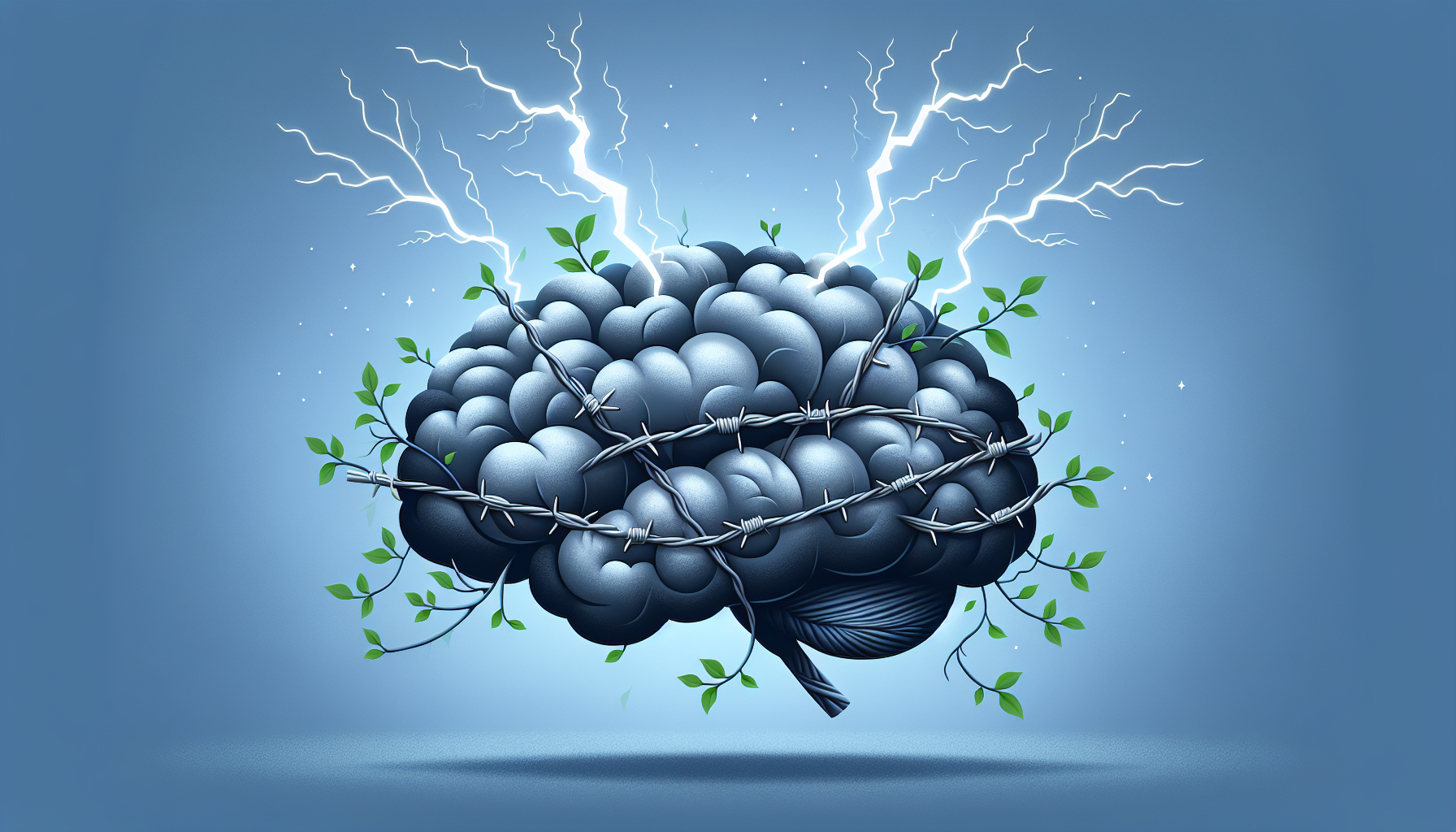
    Illustration of a person feeling anxious and overwhelmed

    Anxiety can encompass a state of intense fear and apprehension beyond just the occasional worry. Living with anxiety disorders, which are categorized as mental health conditions, may mean constantly feeling restless, even when there is no cause or reason to feel so, leading it become difficult for those affected by them in everyday life routines. This type of psychological disturbance commonly begins during adolescence but has been known to last into adulthood too. While specific causes remain unknown, stress-inducing events (such as trauma) combined with hereditary aspects could be possible risk factors that contribute towards developing an anxiety disorder such as panic attacks, generalized problems and social anxieties etc. Fortunately, various treatments exist designed specifically to manage these nerve wracking feelings by lessening amounts of hormones created under stressful circumstances within the body.

    Recognizing Anxiety Symptoms

    Recognizing the signs and symptoms of anxiety is a first step towards its successful management. Anxiety can affect not only psychological wellbeing, but also physical health with results such as dizziness, exhaustion, pounding heart rate or irregular heartbeat patterns, muscle tension and aches, trembling or shaking, migraines, etc.

    The psychological side effects may be experienced by feelings of apprehension/unease along with fear that something threatening could occur soon plus an increased pulse rate – all linked to the body’s reaction to stress. An inability for concentration coupled up with worries about negative outcomes arising from certain events ahead are common, as are irrational fears. This state can heavily diminish quality level life.

    When Anxiety Becomes a Disorder

    Stress can trigger anxiety, but when does it become a disorder? Anxiety develops into an illness once the distress is no longer manageable and begins to impair normal life. Think of being so overwhelmed that you struggle doing everyday tasks like going out with friends or working, this signifies the transformation of regular stress into an anxiety problem. Other signs include strong emotionality, physical reactions, and having difficulty functioning normally due to intensity in worries. If such symptoms are persistent, then professional help should be sought for potential development of mental health difficulties related to anxiety. Fortunately, there are useful treatment options available which may bring relief from severe tension or even full-blown anxiety disorders.

    Deciphering Stress: The Body’s Reaction to Pressure

    Stress can hold you back

    Stress is an often-used term to express the feeling of having too much going on, but it’s actually a physical reaction in response to challenges. This could be anything from tough and demanding job, responsibilities and taking tests, all the way down to even driving around town quickly. Although sometimes stress can benefit us by pushing our productivity levels, over time this accumulated strain may result in mental health issues such as exhaustion or sleep disorder. Ignore for long enough and depression along with more serious medical conditions like heart disease can develop. If you have recently been experiencing headaches or disturbances while sleeping paired with constant fatigue, these are probably signs that your body has had enough pressure put upon it through excessive and prolonged forms of stress so try for better results by reducing them.

    Identifying Chronic Stress Signs

    The term chronic stress is used to describe a state of ongoing, long-term tension. This type of pressure causes symptoms such as fatigue, headaches and difficulty sleeping – much like being stuck in an eternal traffic jam when you’re running late for something important. Being exposed to this kind of strain can have grave consequences on our health which include disturbances with the immune system, disruption within our digestive processes or effects hindering growth and reproduction functions, even leading to brain atrophy over time. That’s why recognizing signs indicating high levels of stress is vital so that it may be addressed before causing damage down the line.

    Stress Triggers vs. Anxiety Triggers

    Managing stress and anxiety successfully requires recognizing what triggers them. Stress is usually caused by outside pressures, like the death of someone close to you, divorce, joblessness or having a tight timeline at work/in your life. Anxiety can be internal in origin with no external reason – for example feeling nervous or scared about an unseen health issue or something which might not even take place but still creates uneasiness leading to certain physical sensations such as chest pain, difficulty breathing heavily, dizziness, rapid heart rate, tremors, sweating, etc. Both types cause unpleasant symptoms so it’s important to understand their origins that help in better management.

    The Interplay Between Stress and Anxiety

    Illustration of the interplay between stress and anxiety

    Stress and anxiety are closely connected, in that when one is present it can lead to the other. In its simplest form, stress would be an immediate response to a threat, while anxiety can develop from this due to prolonged periods of distress. For example, if someone has been anxious about giving a presentation at work, they may continue feeling uneasy even after delivering their speech. Something known as chronic stress which has potential implications on overall health including increased risk for developing mental disorders such as anxiety. Common symptoms experienced by those stressed or suffering with mild forms of worry include elevated heart rate, sweating and jitteriness, signs illustrating both conditions need a unified approach for treatment.

    How Stress Can Trigger Anxiety

    When it comes to anxiety disorders, understanding the relationship between stress and anxiety is vital. Stress activates both the hypothalamic-pituitary-adrenal (HPA) axis and sympathetic adrenal medullary (SAM) axis, which triggers a person’s flight or fight response leading to feelings of fear and worry – consequently causing high levels of tension known as ‘anxiety’. Acute episodes that cause extreme distress can induce symptoms such as deep apprehension, feeling powerless coupled with recurring memories from traumatic events while experiencing an emotional disconnection in one’s dreams. This association between the stress response and its resulting effect on mental health should be recognized for successful management against any form of associated anxieties.

    The Flight Response in Both Stress and Anxiety

    When it comes to stress and anxiety, the flight response is the body’s natural way of protecting itself from any potential danger. This causes a rush in adrenaline which activates the sympathetic nervous system leading to physical symptoms such as increased heart rate and breathing due to an excretion of stress hormones.

    While these two states may evoke this same reaction, they are not identical. Worry over general threats might form anxieties associated with stressful events even when there isn’t real immediate risk – unlike conventional stresses reacting quickly like dodging oncoming cars – making clear how important it is for us to recognize between them correctly.

    Navigating Treatment Options

    Small groups can help with stress and anxiety

    For individuals who are dealing with stress and anxiety, there is hope that these conditions can be managed. Medical care can be utilized to address specific symptoms and any underlying physical issues or illnesses associated with them. As well, cognitive behavioral therapy (CBT) has proven very effective in treating mental health related problems by helping people alter their negative thinking patterns and behaviors. With such options available for managing the impact of stress and anxiety on daily life, it’s possible to lead a calmer existence once again.

    Role of Therapy in Managing Stress and Anxiety

    Stress and anxiety can be difficult to overcome, but therapy provides the roadmap to help those struggling find their way back. Cognitive-behavioral therapy (CBT) is particularly beneficial for managing these conditions by assessing situations that cause stress, working on altering unhelpful thoughts or patterns of behavior, and breaking out of negative thought cycles. With CBT’s array of tools at your disposal, you are better equipped than ever before to take control over your life again when dealing with these tough emotions. In essence, it gives us a compass so we don’t get lost in our troubles any longer. This allows individuals the guidance they need create calmness even during times filled with emotional turbulence.

    Self-Help Strategies for Everyday Life

    practice mindfulness everyday

    Stress and anxiety can be effectively managed in daily life by incorporating self-help strategies such as physical activity, relaxation exercises, time management, and engaging in hobbies. Through implementing these techniques into one’s lifestyle, it is possible to reduce stress levels significantly, preventing excessive anxiety. Physical exercise offers great benefits when tackling stress. Not only does it lower the hormones associated with tension, but also boosts overall mood whilst adding an extra element of routine into your day-to-day activities. Consequently, this enables a positive change towards managing stress and anxiety successfully within everyday living situations.

    Incorporating Physical Activity and Adequate Sleep

    To reduce stress and manage anxiety, physical activity has been proven to be highly effective. Moderate activities such as running, cycling, yoga or strength training can help lower cortisol levels while increasing endorphins production at the same time. This is like a natural remedy for tension reduction in your body and mind. Check out our 35+ free workout plans for different goals and ability levels and start managing stress and anxiety.

    Similarly, having good quality sleep of about 7 to 8 hours on an everyday schedule could assist with controlling stressful emotions as well. Obtaining sufficient rest may enable our bodies to recover along with regulating hormones related to distress. It bolsters cognitive functioning as well as replenishing energy reserves, just think of this process as resetting yourself both physically and mentally every single day. To improve your sleep, try these 10 proven-techniques.

    Practicing Mindfulness and Breathing Exercises

    Mindfulness and breathing exercises are great self-help strategies for managing stress and reducing anxiety symptoms. Practicing mindfulness promotes focusing on the present moment without judgement, which in turn decreases both stress levels and anxiety. This technique lets us take a break from all of life’s chaos while still finding inner peace.

    Breathing techniques have proven to be beneficial for controlling fears as they can remind our brains about relaxation, activating the parasympathetic nervous system thus lowering fear indicators even further. These simple practices could come in handy whenever you find yourself feeling overwhelmed by things out of your control or surrounded by stressful feelings. It is an effective way to let go of what’s causing these discomforts at any time or place possible. To start a mindfulness practice, check out our guide to breathwork.

    Lifestyle Adjustments to Prevent Excessive Anxiety

    Making positive lifestyle changes is an effective approach to limiting levels of stress and anxiety. This includes exercising regularly, having a nutritious diet and getting enough sleep. Choosing actions which promote your wellbeing can aid in managing both tension and worry better.

    Relaxation techniques like time management activities or hobbies are key strategies for reducing strain while preventing unnecessary anxiety too – they’re not one-time solutions but long term adjustments which will help manage pressure plus unease over the course of time.

    Building Resilience Through Social Support

    Social support plays a pivotal role in creating resilience, and dealing with stress and anxiety. It forms an effective barrier to tackle negative occurrences by providing:

    • the possibility of building stronger relationships;
    • feelings of community involvement;
    • appropriate means for facing difficult times without falling into despair or depression ;

    And, lessening tension associated with mental health concerns. Having someone around as emotional back up while tackling adversity makes it easier to get through anything that comes your way. To construct this kind of reliable net, take part in activities like group workouts and/or group runs, engaging in worthwhile projects along others who share similar interests, and staying away from destructive interactions. These steps taken together form foundation blocks towards having powerful supporters during stressful phases improving psychological wellbeing significantly. For more mental health support, check out the journal on fearfulgiant.com.

    Creating a Balanced Life to Manage Stress

    Living a life of balance, with the right combination of eating well, exercising regularly and keeping an eye on personal needs, can have a big impact in terms of reducing stress. This means striking a balance between work and rest as well as times to be socially active versus solitary pursuits. It enables you to cope better with anxiety and gives them the tools they need to stay healthy mentally.

    In order for this balanced lifestyle approach to work effectively, it is necessary not only look at what you should do, but also consider what one should avoid such as drinking too much alcohol or smoking cigarettes. Both contribute towards one another. Stressing out your mental health is best avoided if possible when trying to handle difficult feelings and emotions responsibly alongside guidance from professionals who specialize in such matters. Staying off screens excessively helps alleviate pressure, which allows us to enjoy our lives more fully, something that contributes hugely towards overall wellbeing. Start optimizing your life, take a look at what a perfect day for brain & body performance looks like.

    A Long-Term Fight Against Stress and Anxiety

    Stress and anxiety can be hard to manage without the proper knowledge, but with the right approach one can learn how to navigate their way through. Knowing about anxiety effects, being aware of symptoms that come from chronic stress, understanding why these two are interconnected and looking into possible treatments as well as lifestyle changes all play a role in helping make them more manageable parts of life rather than insurmountable issues. In essence, it’s not about completely eliminating stress or anxiety from our lives but learning how we can deal better when faced with them so we may lead balanced and fulfilling lives.

    Frequently Asked Questions

    How is stress related to anxiety?

    Stress is an exertion made on the mind or body, while anxiety refers to a unique reaction in response to stress – marked by long-term uneasiness and fear. Even after the cause of worry has gone away, signs of generalized anxiety disorder can still remain present.

    How to calm down anxiety?

    For those dealing with anxiety, certain calming activities can help reduce stress and strengthen emotional strength. Diaphragmatic breathing, simple stretching exercises, positive self-talk or guided imagery are all useful techniques to create a more relaxed state. Music therapy and taking the time to immerse yourself in nature can also be beneficial for soothing your mind. As well as guided meditations which deepen relaxation levels. All of these measures will make it easier to manage anxious feelings better by promoting peace within oneself.

    What are 4 signs of stress and anxiety?

    Stress and anxiety can have an array of signs such as digestive issues, tension in the muscles, trouble sleeping or concentrating and a bad temper. If these manifestations go unchecked, they may even lead to a panic disorder or attacks brought on by said stress or anxiety.

    How can I stop stress and anxiety?

    In order to decrease stress and anxiety, it is important to prioritize exercise, cut out bad habits like drinking alcohol or smoking tobacco, as well as doing relaxation exercises. It’s good practice for one’s mental health to obtain enough sleep on a regular basis, maintain a nutritious diet plan, and be surrounded by supportive individuals.

    At what point does anxiety become a disorder?

    When social anxiety first reaches a point where it negatively impacts one’s daily life, the need for professional support to address its accompanying symptoms becomes necessary. If left unmanaged, this form of anxiety can develop into an overall disorder.

  • Ozempic for Weight Loss: An Unbiased Deep Dive into Benefits and Risks

    If you’re considering Ozempic for weight management, it’s important to first understand its primary use and the emerging uses. Traditionally used for diabetes care, Ozempic has also attracted attention for its potential to influence weight. Here’s a breakdown of what Ozempic is, how it works, along with the pros and cons.

    Related: 10 ways to start improving your health now

    Key Takeaways

    • Ozempic, primarily prescribed for type 2 diabetes due to its blood sugar-lowering effects, has shown potential off-label weight loss benefits, though not FDA-approved for weight loss in non-diabetic individuals.
    • Ozempic works by mimicking the GLP-1 hormone, which regulates appetite and blood sugar levels, potentially reducing hunger and promoting satiety, albeit with varying results dependent on individual health profiles and lifestyle factors.
    • Long-term use of Ozempic for weight management requires careful consideration of possible side effects, potential weight regain after discontinuation, and balancing the pros and cons with a healthcare provider.

    Unveiling Ozempic: A Diabetes Drug with Weight Loss Effects

    Ozempic medication for weight loss

    Let’s take a deeper look into Ozempic, also known as a GLP-1 receptor agonist. It contains semaglutide, which imitates a natural hormone in the body that helps lower blood sugar levels. Typically prescribed to adults with type 2 diabetes for managing their blood sugar, it has recently gained attention for its potential effects on weight loss.

    Although some studies have shown promising results regarding weight loss while using Ozempic, it is important to note that this drug is not FDA-approved specifically as a weight loss medication.

    The Science Behind Ozempic

    The functioning of Ozempic is primarily based on a hormone found naturally in the body. Specifically, Ozempic imitates glucagon-like peptide-1 (GLP-1), an essential hormone responsible for controlling appetite and blood sugar levels. A lack of GLP-1 can result in imbalances that affect weight management and glucose regulation, leading to unhealthy body weight.

    Ozempic works as a GLP-1 receptor agonist by reducing elevated blood sugar and A1C levels. To its primary function, some users have reported experiencing weight loss as an additional benefit while taking Ozempic.

    Decoding the Weight Loss Mechanism of Ozempic

    Mechanism of weight loss with Ozempic

    Ozempic promotes weight loss through various mechanisms, primarily by causing satiety and reducing hunger, appetite, and cravings. This drug affects the brain to send signals that decrease feelings of hunger while increasing fullness. Its function is similar to other medications used for weight loss.

    Aside from curbing appetite, Ozempic also offers additional advantages such as slowing down gastric emptying and delaying digestion, which helps regulate blood sugar levels. It can be particularly beneficial for those looking for long-term solutions in managing their weight consistently over time.

    Comparing Ozempic and Wegovy

    If you are thinking about using Ozempic to lose weight, chances are you have also come across another drug called Wegovy. Similar to Ozempic, Wegovy contains semaglutide as its active ingredient. Unlike Ozempic which is primarily used for treating type 2 diabetes, Wegovy has been specifically developed for managing weight and has a higher dosage of semaglutide. While the FDA has approved both medications for their respective purposes (Wegovy – weight management. Ozempic- treatment of type 2 diabetes), it should be noted that only individuals with excess bodyweight can use these drugs as they are not intended for cosmetic or non-medical weight loss.

    Although both medications contain semaglutide in different dosages and serve separate purposes, they cannot be interchangeably used due to differences in their FDA approvals and target populations. So if your goal is solely focused on losing unwanted pounds without underlying medical conditions such as obesity or type 2 diabetes being present, you should seek other means besides utilizing either one of these prescription drugs specially meant to aid individuals struggling with excessive bodyweight issues.

    Who Can Benefit from Ozempic?

    Let’s explore who could benefit the most from using Ozempic. Those with a body mass index (BMI) above 30 or a BMI over 27 and at least one weight-related condition such as high blood pressure, type 2 diabetes, or high cholesterol may see improvements through taking this medication.

    For individuals living with type 2 diabetes, Ozempic has potential to regulate blood sugar levels better and lower the risk of heart problems while also improving overall control of blood sugar. It is important to note that if your sole purpose for wanting to take Ozempic is purely for weight loss without having diabetes already diagnosed by a doctor beforehand. Then be aware that it isn’t recommended nor safe.

    Navigating Insurance Coverage for Ozempic

    One important factor to consider when choosing a medication is insurance coverage. Ozempic, which is commonly used for type 2 diabetes treatment, is typically covered by private insurance providers as well as Medicare and many Medicaid plans. If you plan on using it off-label for weight loss purposes, it may be necessary to check your specific health plan and contact your insurer to understand how they cover Ozempic.

    If you do not have insurance coverage for Ozempic, the cost can average around $900 per month out-of-pocket. Before beginning treatment with this medication or considering its potential benefits in regards to weight loss goals, it’s crucial that you are aware of any financial implications and prepare accordingly.

    The Pros and Cons of Using Ozempic for Weight Loss

    Pros and cons of using Ozempic for weight loss

    Like any other medication, there are both advantages and disadvantages to using Ozempic. On the positive side, it has shown potential for promoting weight loss by reducing inflammation, inducing feelings of fullness and satisfaction, suppressing appetite, and aiding in decreasing food intake.

    However, the use of Ozempic should be approached carefully as it may interact with a considerable number of medications, diseases, and dietary choices. This highlights the importance of consulting with a healthcare provider before incorporating this drug into your health routine so that its benefits can outweigh any possible negative effects on weight management.

    Real-world Experiences: How Patients Have Lost Weight with Ozempic

    Real-life experiences provide insight into the potential benefits of Ozempic. Some patients have reported a significant reduction in weight, up to 30 pounds within 26 weeks. It is important to note that individual results may vary.

    Ozempic can complement weight loss efforts, but it’s important to remember that it’s not a standalone solution. A balanced diet and regular exercise are crucial to achieving and maintaining weight loss. Adopting a holistic approach that includes Ozempic, when appropriate, along with healthy lifestyle changes, can lead to more effective and lasting results.

    Related: 6 ways to start a new diet that works for you

    Long-term Use of Ozempic: What to Expect

    When considering using Ozempic for an extended period of time, it is critical to have realistic expectations. Research has shown that the medication can help maintain weight loss over a long duration, but there is a high likelihood of regaining weight after stopping its use.

    Prolonged usage of Ozempic may also result in certain side effects such as nausea, stomach pain, changes in taste perception, abdominal discomfort and gastrointestinal issues like constipation or diarrhea. Additionally, some individuals may experience dizziness and headaches while taking this medication.

    That said, it is important to closely monitor these symptoms and consult with your healthcare provider if they occur during treatment with Ozempic.

    Alternative Solutions: When Ozempic Isn’t the Right Fit

    If you find that Ozempic is not suitable for your weight loss goals, there are other options available. Medications such as Zepbound and Mounjaro have been found to be more effective than Ozempic in helping individuals lose weight. It’s important to note that these alternatives may also have their own potential side effects, so thorough research and consultation with a healthcare provider should always be done.

    Aside from medication, non-pharmacological approaches can also aid in weight loss efforts. This includes participating in lifestyle intervention programs, maintaining a healthy diet, increasing physical activity levels and utilizing behavior therapy techniques.

    The Ethical Debate: Weight Loss vs. Health Improvement

    There is a debate surrounding the ethical implications of using Ozempic as a weight loss treatment. Some argue that prioritizing weight loss over overall health improvement could lead to misuse or excessive use of the drug, especially for individuals with type 2 diabetes where intentional weight loss may have an impact on mortality.

    Medical professionals do acknowledge the potential benefits of utilizing diabetes medication such as Ozempic specifically for its ability to aid in weight management alongside other measures like reduced calorie intake, physical activity and behavioral counseling aimed at treating both diabetes and achieving healthy body mass.

    Tips for Safely Incorporating Ozempic into Your Health Regimen

    For those incorporating Ozempic into their health regimen, always follow your doctor’s recommendations. Being aware of potential allergic reactions is important, and if symptoms like swelling, difficulty breathing, rash or dizziness occur, seek immediate medical attention.

    The Impact of Diet and Exercise on Ozempic’s Efficacy

    A proper diet supports Ozempic efficacy

    To taking medication, maintaining a proper diet and engaging in physical activity are essential for maximizing the weight loss effects of Ozempic. A well-balanced eating plan that incorporates vegetables, whole grains, lean meats, low-fat dairy products, and adequate protein is recommended. In fact, a reduction in carbohydrate intake can Enhance both the effectiveness of Ozempic for shedding pounds and managing blood sugar levels.

    Furthermore, incorporating a regular exercise routine can enhance the weight loss benefits of Ozempic, as well as improve overall metabolic health. While Ozempic contributes to weight management, it is vital to complement it with a nutritious diet and consistent exercise to achieve the best results.

    Related: 35+ free workout plans for different goals and ability levels

    Managing Expectations: The Reality of Weight Loss with Ozempic

    Establishing realistic expectations is crucial in any weight loss journey, including when using Ozempic. Although some people, even those with normal weight, have reported significant reductions in their body mass while on this medication, the average amount of weight lost tends to be around 15 pounds.

    The positive effects of gradual weight reduction may continue for up to two years after starting treatment with Ozempic. It’s important to keep in mind that results can differ greatly among individuals and approach this medication with sensible goals and dedication towards adopting a healthier lifestyle.

    Breaking It Down

    Although Ozempic is typically used for type 2 diabetes management, it has shown potential as a weight loss aid. It should be noted that the FDA has not approved its use for this purpose and there are ongoing studies to determine its long-term effects. While some patients have experienced significant weight loss with Ozempic, results may vary. Following a nutritious diet, regular exercise routine recommended by your healthcare provider can help maximize the benefits of using Ozempic. As with any medication decision-making process, it requires careful consideration and realistic expectations when considering utilizing weight-loss drugs like Ozempic.

    Frequently Asked Questions

    How much weight can you lose in a month with Ozempic?

    Based on findings from controlled studies, it is estimated that Ozempic can lead to an average weight loss of approximately 1kg or a decrease in body weight by about 1.1% within a month. The amount and rate of weight loss may differ for each person.

    What is the downside of Ozempic?

    One of the disadvantages associated with Ozempic is the possibility of experiencing vision problems, such as difficulty focusing and blurriness. There is a risk of potential kidney damage or failure while using this medication. It is crucial to closely monitor these side effects for any changes or developments.

    Is it worth taking Ozempic for weight loss?

    While using Ozempic as a sole means for weight loss is not recommended, it may be helpful to consult with your healthcare provider about the potential use of Wegovy in addressing weight concerns. Incorporating Ozempic into one’s routine has been shown to assist with blood sugar management and promote weight reduction when coupled with a balanced diet and exercise regimen.

    Is Ozempic FDA-approved for weight loss?

    While Ozempic has shown potential for promoting weight loss, it is not currently approved by the FDA for this purpose. The drug’s official approval is specifically intended for managing type 2 diabetes.

    Our Stance on Ozempic & Ozempic Alternatives

    As a health and fitness publisher with a longstanding commitment to educating our readers while maintaining integrity, we approach the topic of Ozempic and its use for weight loss with a sense of responsibility. The article above provides our analysis aimed at informing your healthcare decisions rather than advocating for or against the use of Ozempic for weight management.

    We feel it’s important to recognize that while Ozempic shows potential for weight loss, particularly for those with type 2 diabetes, it is not FDA-approved for weight loss in non-diabetic individuals. This distinction underscores the importance of consulting with a healthcare provider before considering Ozempic or any medication for weight management. A healthcare professional can help assess your individual health profile, discuss potential side effects, and determine the appropriateness of such treatments within the context of your overall health goals.

    Most importantly, we strongly encourage exploring non-pharmaceutical approaches to weight management as initial strategies. Consulting with a nutritionist or dietitian can provide personalized dietary guidance that addresses your specific needs and goals. A personal trainer can design a fitness program that not only supports weight loss but also improves overall physical health and wellness. These professionals can offer valuable support and accountability, helping you to establish and maintain healthy lifestyle changes over the long term.

    Our coverage of Ozempic and its implications for weight management is intended for educational purposes only. We believe in empowering our readers with comprehensive information to make informed decisions in consultation with their healthcare providers. Remember, while medications like Ozempic can play a role in managing certain health conditions, they are most effective when used as part of a broader health and wellness strategy that includes nutrition, exercise, and behavioral changes. We advocate for a balanced approach to weight loss and health improvement, emphasizing the importance of addressing the root causes of weight gain and adopting sustainable lifestyle changes for long-term wellness.

  • Don’t Be Afraid to Lift Weights If You’re Over 40: Embrace Strength Training to Age Gracefully

    Strength training can be intimidating especially if you’re over age of 40, but it shouldn’t be. A lot people over 40, find themselves afraid to lift weights due to fears of injury, thinking it’s too late, or simply not knowing where to start. However, the benefits of lifting heavy weights extend far beyond muscle gain: it’s about preventing injury, moving better, reducing body fat, and enhancing overall health. If you’re over 40, here’s how to look at weight lifting and strength training with confidence.

    Related: The Over 40 workout plan

    Also related: 35+ free workout plans for different goals and ability levels

    The Myths That Hold Us Back

    The gym can be an intimidating place, filled with big weights and the unwarranted fear that lifting heavy could hurt us. This couldn’t be further from the truth. Strength training, particularly for those over 40, is crucial for maintaining muscle mass, supporting bone density, and managing body fat. Overcoming the fear to lift heavy weights can make all the difference in achieving a more resilient, pain-free body.

    Embracing Strength Training Over 40

    Why Lifting Weights Is Non-Negotiable After 40

    As we age, our bodies naturally begin to lose muscle mass, a condition known as sarcopenia. Lifting weights, especially lifting heavier weights, combats this decline, boosts metabolism, and supports weight loss by increasing muscle mass and reducing body fat. For most people over 40, incorporating exercises that involve lifting heavy can significantly affect overall health, aiding in the prevention of osteoporosis, improving cardiovascular health, and enhancing mental well-being.

    Overcoming Self-Doubt with Proper Form and Technique

    Starting to lift weights can be daunting, with anxiety and self-doubt creeping in. The key to overcoming this fear is education and practice. Learning proper form for exercises like the squat or deadlift, starting with lighter weights to build confidence, and gradually increasing to heavier weights ensures you lift heavy safely and effectively. Remember, every person in the weights area had to start somewhere, and most were once beginners feeling the same initial apprehension.

    The Psychological Benefits: Beyond the Physical

    Lifting weights does more than transform your body, it changes your mindset. When you start weightlifting and strength training routines, you build confidence, reduce anxiety, and strengthen your mental resilience. The act of lifting heavier weights than you thought possible can profoundly affect how you view yourself and what you believe you’re capable of achieving, both in and out of the gym.

    Practical Tips to Get Started

    1. Begin with Guidance: Consider working with a personal trainer who can introduce you to the weights area, teach you the movement patterns of weightlifting, and help you develop a workout plan tailored to your fitness level and goals. If you can’t see a trainer, check out our Very Beginner workout plan or our Over 40 workout plan.
    2. Focus on the Fundamentals: Master the basic lifts with proper form before progressing to heavier weights. Exercises like the barbell squat, bench press, and deadlift are staples for a reason—they engage multiple muscle groups and build a strong foundation. To learn some of these movements, check out our list (and videos) of the 20 best exercises for men and women.
    3. Listen to Your Body: Pay attention to how your body responds to training. Incorporating rest days and lighter workouts is crucial for recovery, especially as your body adapts to the new stress of lifting heavy. If you’re feeling particularly sore or tired, check out these low-intensity workouts your body will love. You may also like reading our piece on the perfect day of recovery for high performers.

    Make Your Strength Training a Lifestyle

    Lifting weights after 40 isn’t just about overcoming the initial fear—it’s about embracing a lifestyle that prioritizes health, strength, and well-being. The journey may start with apprehension, but it leads to a path of empowerment, resilience, and a newfound love for the sport of weightlifting. Remember, it’s never too late to make a significant impact on your health, and lifting weights can be a rewarding part of that journey. Whether you’re new to the gym or returning after a break, let your desire for a healthier life overcome any fear or doubt. Start lifting, start living.

    Get started with your Over 40 workout plan today!

  • Essential Tips for Working Out for Beginners: Your Guide to a Consistent Fitness Journey

    Essential Tips for Working Out for Beginners: Your Guide to a Consistent Fitness Journey

    Taking the first step into working out for beginners can feel like a leap into the unknown. Our guide strips away the complexity to answer what you really need to know: how to set attainable fitness goals, where to start, and how to progress. In short, actionable segments, you’ll learn how to create a workout routine that blends cardio, strength, and flexibility—a well-rounded foundation for lasting fitness success.

    Consider this: The Very Beginner workout plan

    Got questions? Send us a message on Instagram (@humanfitproject).

    Key Takeaways

    • Start your fitness journey with realistic, achievable goals, and get medical advice if necessary to tailor your workout routine to your health conditions.
    • Create a sustainable workout program that includes varied forms of exercise such as cardio, strength training, and flexibility exercises, and ensure it adapts to your increasing fitness levels.
    • Overcome common exercise obstacles by managing your time effectively, staying motivated with trackable goals and accountability, and finding enjoyment in diverse physical activities.

    Embarking on Your Fitness Journey: Key Considerations

    A person setting fitness goals and planning their exercise routine

    Beginning a fitness plan has the potential to bring about amazing changes. It is more than just breaking into a sweat. It can be an essential step for establishing improved health habits. In order to get started on this journey you have to set realistic goals that are stimulating but also manageable enough not be overly disheartening when trying your best. Keep in mind that every effort matters so even if progress seems minuscule, don’t discount its importance.

    Also, assessing present physical condition plays an important role as well since it helps create personalized routines based upon individual needs and limits at hand rather than taking part in blanket practices which might lead you astray from reaching personal aspirations or cause harm due to inadequate preparation.

    Setting Realistic Goals

    Beginning a successful physical fitness plan requires setting realistic objectives. Whether you are looking to slim down, gain muscle mass, or simply become more active overall. Your goals should be specific and quantifiable yet achievable at the same time. This is essential because it raises your probability of success while also keeping you motivated along with aiding in increasing muscular tissue properly.

    To come up with sensible aims that fit within yourself individually, consider all aspects like current level of fitness, any available restrictions on time as well as personal preferences too. Start small by introducing some subtle modifications into daily life – for example if there has been no activity previously don’t strive toward running several miles during the initial week instead look toward taking 15 minutes each day performing brisk walking before slowly escalating amount and duration spent exercising over time as capability improves itself. Remember even great feats begin from one singular action so never give up.

    Determining Your Fitness Level

    To reach your fitness goals, it is important to evaluate your existing level of physical conditioning before beginning a workout routine. With the right amount of knowledge and preparation, you can avoid injury as well as unnecessary strain on the body while optimizing for success by choosing workouts that best fit where you are at in terms of fitness levels.

    So how do we measure our current status? There are running or jogging tests for cardiovascular fitness. Push-ups and pull-ups measure upper-body muscular strength and endurance. And something as simple as a sit and reach can evaluate flexibility. From there, there are various other “tests” which assess strength, speed, power and cardiovascular health.

    Keep all this in mind when starting off with exercises meant specifically for beginners, so taking small steps forward will help achieve better results rather than rushing into intense training regimens too soon.

    To start out slow, check out our Very Beginner Workout plan (VBWP), and start getting fit with us.

    Health Concerns and Consultations

    Before beginning your new workout plan or activity plan, it is crucial to get medical clearance if you have any underlying health issues such as diseases of the digestive tract and kidneys, limited mobility, heart disease, asthma diabetes or hypertension. Discussing with physicians can guarantee that your workout routine works well for particular conditions while being safe at all times.

    Medical inspection might be a must when those who are vulnerable – newbies in exercises, should obtain authorization from their doctor prior to starting. It’s noteworthy that exercise usually yields positive results even among people suffering long-term illnesses like strengthening one’s heart muscle, managing blood pressure levels, and more. Performing workouts regularly helps diabetic people keep up good glucose control & better insulin level sensitivity.

    Related: How to instantly start improving your health

    Building a Balanced Exercise Program

    A balanced exercise program including cardio, strength training, and flexibility exercises

    Creating an exercise plan that supports your individual fitness goals and current physical ability is the first step to reaching optimal health. This includes having a combination of cardiovascular exercises for increased endurance, strength training routines designed to build muscle, as well as flexibility work-outs enabling mobility in different parts of the body.

    A successful workout program requires finding activities you find enjoyable because it’s much easier this way. Whether it’s running or swimming, weightlifting sessions, yoga or Pilates classes, choose something exciting so you can stay motivated and have fun while taking care of yourself at the same time. Remember: An effective overall routine should include elements from all areas such as cardio workouts, strength building sets along with stretch exercises in order to reach full potential when striving towards maximum results within any given sport/activity goal.

    Cardio Workouts for Beginners

    Interested in building your endurance? Cardio workouts are an excellent way to get started. From improved cardiovascular endurance and bone density, better sleep, stress relief and endorphin boosts – there’s plenty of benefits. Examples could be brisk walking, running, cycling or rowing. You can also do the run/walk method where you take breaks between short jogs for a few minutes each session. To begin with, start at 20-minute intervals then aim for 3-4 cardio sessions per week which last from 20 to 40 minutes apiece, listening out for your body if rest is needed in between exercise programs would be ideal too.

    Related: How to start running for the first time

    Strength Training Basics

    Strength training is an essential part of any effective fitness program and it helps to create muscle mass, increase stamina, protect bones & joints as well as reduce the chances of developing heart disease or diabetes. For those just starting out, a beginner workout plan incorporating 10-12 reps on resistance machines or free weights can help you establish a strong base of fitness. To build size & strength, incorporate heavier weights with fewer repetitions – known as progressive overload, which will aid in muscular development while pushing yourself beyond what was possible before. Keep up this gradual progression and never cease working hard towards success. Check out our list of 35+ free workout plans for different abilities and fitness levels.

    Flexibility and Mobility Exercises

    Exercises aimed at flexibility and mobility are just as essential to one’s fitness routine as strength training or cardio. Maintaining a good range of motion for your muscles and joints helps you move better, enhance performance, and maintain total physical health. Including activities such as 20 minutes per day of standing quad stretches, runner’s lunges, eagle arms stretching, downward-facing dog poses (or Cat/Cow), walking lunges with hip circles can do wonders in keeping the body supple while maximizing its potential agility through ankle mobility exercises like glute bridges or Spiderman lunge along with thoracic spine windmills. For a couple good options here, check out our daily winddown routine and our low intensity workouts your body will love.

    Creating a Sustainable Workout Routine

    Consistent workout schedule and progress tracking

    Creating a successful workout regimen is dependent on consistent participation, time management and incremental improvement. Regular exercise routines are essential to forming ongoing fitness habits that reduce stress levels while elevating mental well-being. They help guarantee physical activity will become an integral part of daily life, just what any personal trainer would recommend for sustaining long term fitness results.

    With this in mind, one must plan workouts ahead carefully as if it were nonrefundable engagements, utilizing their strengths to ensure exercising receives the same focus as work or family duties do. Lastly, gradually increase your intensity of movement, duration or resistance used when training so that with each step up there can be progress made and muscles strengthened since continually growing stronger relies upon having challenges overcome by adapting bodies appropriately at appropriate level increments.

    Consistency is Key

    To maintain consistency in your fitness routine, think about the advantages of exercising frequently. Remember how good you feel after a workout and also remember the milestones that have been achieved since starting this journey with fitness goals. If boredom starts to set it during workouts, switch up activities by trying new exercises or changing routines while challenging yourself throughout each session – all of which keeps one motivated and excited for what’s next.

    Read also: How to stay motivated

    Scheduling Your Workouts

    If you want to meet your fitness goals and gain optimal health benefits, it’s essential that exercise is incorporated into your day-to-day routine. With 150 to 300 minutes dedicated each week specifically towards moderate aerobic activity, setting aside the necessary time might seem overwhelming, but simply breaking up this amount of time between several days works out perfectly. Decide when would be most suitable for working out. Some people find mornings more productive while others prefer evenings better. No matter what, making sure not to miss those workouts should be a top priority like any important appointment or meeting in life. Staying consistent with training will bring favorable results over time, so stick with a plan that suits best for you personally.

    Gradual Progression

    Gradual progression is the key to ongoing progress, ensuring that your body adapts to continually rising levels of difficulty and challenge. Progressive overload provides an excellent approach here. It involves increasing weight lifted, number of repetitions done or duration spent on each exercise in order for muscle growth not to plateau out. While doing this, you must pay close attention to your body’s signals – if workouts feel too easy now, improved endurance plus excessive soreness could be signs for more intense exercises ahead.

    Overcoming Common Exercise Obstacles

    Overcoming common exercise obstacles like time management and motivation

    Starting a fitness journey can be both exciting and intimidating. Finding time, staying inspired, and feeling comfortable at the gym are all common issues that may arise. Overcoming these challenges is possible with proper planning of workouts and having an encouraging mindset to rely on.

    Time management plays a major role in efficiently utilizing your busy schedule for exercise sessions while tracking progress will help you stay motivated along the way. Remembering that being anxious about going to gyms isn’t unusual, especially if you’re just getting started, but it’s totally manageable when equipped with the right tools & approaches, this makes achieving success in building physical fitness much more doable.

    Time Management

    Despite time constraints, regular exercise should still be prioritized as an essential part of maintaining good health. Making workouts a firm appointment in your schedule and adhering to physical activity guidelines can help ensure you find the time for them. Quick exercises like chair squats or wall sits during short breaks throughout the day will keep one energized all day while also ensuring they have completed their daily exercise requirements. These simple exercises could include planking, calf raises, and shoulder shrugs. Push-ups and lunges alongside vinyasas plus walking jogging on spot and jumping jacks with more intense incline pushes ups., Squats and sit-to stands adding neck bends, circles side stretches combined chin-to–neck motions providing additional benefits too.

    See also: The best exercises to do at your desk

    Motivation and Accountability

    Achieving long-term success through regular exercise requires staying motivated and accountable. Here are some tactics to help make this happen: tracking progress, seeking personalized feedback, involving friends or family in physical activities, setting specific workout goals with check-ins on progress and partnering up for workouts. When following these strategies, there will be a better chance of keeping dedicated to the fitness routine desired.

    Likewise, intrinsic motivation is an important factor when it comes to committing oneself consistently to exercising. Which can mean appreciating what one does as well as feeling great about their own efforts while doing something they love. By having that mindset, self discipline will stay consistent enough until reaching any objective established by performing whatever form of working out chosen at each moment.

    Fear of the Gym

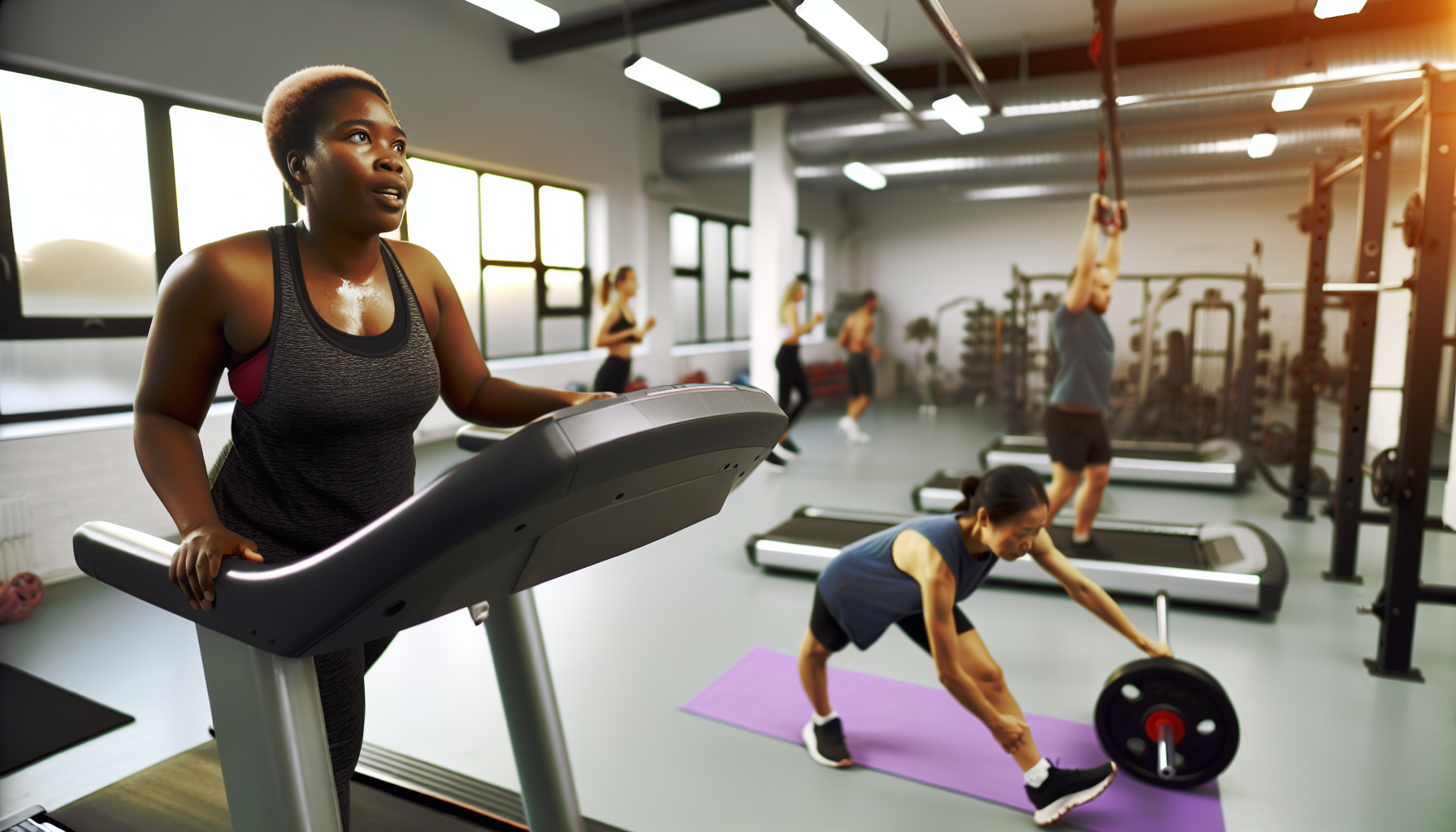
    Many novices frequently find themselves struggling with “gymtimidation” or gym intimidation. This can be conquered by learning more about the environment of a fitness center, comprehending how to utilize various equipment and seeking guidance from trainers or experienced people at the gymnasium.

    Starting off using beginner-friendly pieces of apparatus such as: dumbbells, barbells, leg press machines. Pull-downs, rowing machines, cables, chest presses – all these will help improve one’s assurance levels. Everyone in that facility was once an amateur too, so most individuals are focusing on their own workouts instead of judging others harshly. Thus don’t let fear hold you back from achieving your desired fitness goals. Working out should not be something which intimidates, but rather it is meant to empower and promote positive results related to physical health.

    Read also: Getting over a fear of the gym

    Making Exercise Enjoyable and Rewarding

    Engaging in enjoyable and rewarding exercise activities

    To maintain a long-term fitness plan, it is essential to make your exercise both pleasing and fulfilling. To do this, discover activities that you enjoy doing, introduce diversity into your routine and insert rewards as well as intrinsic motivation. By making physical activity something you look forward to every day or week, the probability of keeping up with it in the future increases significantly.

    You can ensure that workouts remain enjoyable by investigating multiple sports options suitable for achieving fitness objectives. Taking advantage of online quizzes designed for finding out what type of exercises best suit individuals’ tastes. Adding various elements to training sessions so they don’t become dull quickly. Finally, integrating rewards while going through an intense fitness program provides considerable sense of accomplishment thereby encouraging continuous effort towards achieving desired results when following these routines.

    Finding Activities You Love

    It’s important to make your exercise routine something that you can enjoy and stick with. To find the best workout for yourself, it may be necessary to experiment by trying various exercises until you identify what appeals most to your preferences. There are plenty of activities available so take some time and select one which works well for you. Remember though: Exercising should bring pleasure not stress, so pick an activity which makes fitness enjoyable in order to sustain engagement over a long period.

    Adding Variety to Your Routine

    It’s important to introduce a variety of activities into your workouts in order to make them both interesting and effective. Doing so provides an ever-changing challenge for the body, leading to improved progress. It serves as a great way to maintain motivation levels while helping achieve better overall fitness results.

    To mix up your exercises try incorporating different methods or altering intensity/duration during workout sessions, such as cycling if running is usually done for cardiovascular training and resistance bands instead of weights when focusing on strength building movements using the bodyweight alone. Remember that introducing fresh approaches helps ensure continual advancement by keeping engaging with new physical challenges as well as adding excitement.

    Incorporating Rewards and Intrinsic Motivation

    To make a lasting and fulfilling fitness regimen, use rewards as well as intrinsic motivation to stay focused. Keeping track of progress and cheering your accomplishments can help reach these goals. To aid in commitment, find physical activities that you enjoy doing – like playing sports or going for a hike – and create an encouraging environment with other people who also have similar ambitions when it comes to exercise and health initiatives. By integrating benefits associated with exercising along with the enjoyment taken from its pursuits, you will be able to achieve sustainability throughout your workout routine.

    Prioritizing Your Fitness Long Term

    Beginning a fitness quest can be an enriching and life-altering experience. It’s not just about losing pounds or developing muscle. It involves establishing healthier habits and transforming into the most ideal version of yourself. Take note that remaining consistent, making gradual improvements, as well as enjoying your activity, are essential to sustaining a regular exercise plan over time – so go ahead lace up those trainers, fix some goals for yourself then get going. Your future self will appreciate this effort you make now.

    Frequently Asked Questions

    To learn more, check out of list of the 21 most frequently asked questions we get about working out.

    How should a beginner start working out?

    Now is an ideal time to embark on your fitness journey and watch yourself improve day-by-day. To start, include short periods of activity throughout the day like a brisk walk for 20-30 minutes. Gradually work up to a moderate level while making sure not exceed 10% more every week. If you have any doubts, get help from professional health or fitness experts.

    What type of workout is best for beginners?

    For those just beginning, bodyweight workouts are an excellent way to begin developing total strength and flexibility. To get the ball rolling, here is a suggested introductory workout which uses only one’s own body weight as resistance. Remember that incorporating such exercises into your routine will help you take charge of your fitness journey.

    How long should beginners workout?

    It is advised that a workout for beginners should last roughly between 30-40 minutes. It’s imperative to take time during your session and listen to what your body needs. Taking frequent breaks to stretch will help you recuperate, so be sure not to push yourself over the limit.

    What workouts should I do first?

    As recommended by the American College of Sports Medicine, when beginning your fitness routine it’s best to start with exercises that target larger muscle groups. This approach is ideal for meeting most types of goals and suitable for a wide range of people.

    How do I set realistic fitness goals?

    When it comes to setting fitness goals, consider your current level of fitness and other factors such as how much time you have available and what activities you prefer. Start small with making adjustments to your routine which can be gradually increased over time in proportion with improving physical condition. Make sure that these achievable objectives will help advance your overall health. You’ve got this – just take the steps necessary for success when planning out a customized program based on personal preferences and capabilities.

  • Create Your Perfect Fitness Routine with Our Workout Plan Template

    Create Your Perfect Fitness Routine with Our Workout Plan Template

    Having a structured fitness program is what leads to the results you want. Below are a series of our workout plan templates, tailored to meet the needs of both fitness newcomers and seasoned athletes. These templates act as a guide to achieving your goals while giving you some flexibility to DIY it a bit.

    If you want to take all the guess work out, check out our collection of over 35+ free workout plans designed for various goals and fitness levels.

    Key Takeaways

    Beyond the physical benefits, adopting a workout plan or fitness program fosters a profound psychological impact, including enhanced motivation and a profound sense of accomplishment. Moreover, the adaptability of workout plans caters to special populations and personal needs, offering tailored approaches for anyone, at any level.

    • Workout plan templates are versatile, catering to beginners and advanced athlete with different goals.
    • Tracking and planning are essential for maintaining a consistent routine and monitoring progress toward fitness goals.
    • Specialized templates for objectives such as weight loss vs. endurance to enhance your strategy to make your path to fitness clear, efficient, and manageable.

    Why You Need a Workout Plan

    Having a workout plan is crucial for several compelling reasons. Firstly, it provides a structured approach to achieving fitness goals, ensuring that each exercise session is purposeful and aligned with specific objectives, whether it’s weight loss, muscle building, or enhancing overall fitness. A well-crafted plan eliminates guesswork, making workouts more efficient and effective. It also helps in maintaining consistency, a key factor in seeing tangible results. Consistency in following a structured plan leads to habit formation, making regular exercise a part of daily life rather than a sporadic effort. Furthermore, a workout plan allows for balanced training, ensuring that all muscle groups are adequately worked and rest periods are optimized to prevent overtraining and injuries. It also aids in tracking progress, providing motivation as improvements are seen over time. Ultimately, having a workout plan empowers individuals to take control of their physical health, leading to improved well-being, increased confidence, and a higher quality of life.

    A Beginner’s Big Mistake: Not Having a Plan

    One of the most significant mistakes people make with their workouts is starting on their fitness journey without a clear plan. This lack of planning often leads to a haphazard approach to exercise, where workouts are inconsistent, imbalanced, and not aligned with specific goals. Without a structured plan, individuals may focus too much on certain types of exercises while neglecting others, leading to uneven development and increased risk of injury. This approach can also result in either overtraining or undertraining, both of which hinder progress and can demotivate individuals when they don’t see the desired results. Without a plan, tracking progress becomes challenging, making it difficult to adjust workouts effectively over time. Essentially, the absence of a well-thought-out workout plan can turn what should be a rewarding journey towards better health into a frustrating and potentially fruitless endeavor.

    Discovering Your Ideal Template

    Choose a template that aligns with your fitness level and goals. From beginner-friendly options that introduce basic exercises to advanced templates that challenge your limits, and customizable plans that let you tailor every detail, finding the right template can transform your approach to fitness.

    Beginner-Friendly Templates: Start with foundational exercises and gradually increase intensity. These templates are designed to ease you into fitness, making workouts approachable and sustainable. Check out our Very Beginner workout plan for a good starting point.

    For example, a beginner’s fitness program week might start with simple bodyweight exercises like squats, push-ups, and lunges, gradually introducing light dumbbell workouts. Success stories often highlight individuals who, starting with minimal experience, have built a solid fitness foundation, showcasing the transformative power of starting small.

    Training 3 days per week is an excellent starting point for beginners.

    Advanced Workout Templates: Explore complex exercises and increase your workout volume. These templates are perfect for those looking to push their limits and achieve new heights in their fitness journey. You may want to try something like our Redemption, Reconstruction, or the 10x10s template for a serious challenge.

    Advanced workout routines that could incorporate high-intensity interval training (HIIT), Olympic lifting, and complex plyometrics. Testimonials from seasoned athletes often reflect on how these challenging templates propelled them to new personal bests and breakthroughs in their fitness journeys.

    Training 5 days is typical for advanced athletes.

    Customizable Workout Plans: Inject creativity into and customize your regimen with a plan that adapts to your unique preferences. You can always apply for the limited spots of HFP coaching for creating a bespoke workout plan.

    Custom plans may blend various elements like cardio, strength, and mobility work tailored to personal preferences.

    Goal-Based Workout Templates: Whether you’re aiming for strength, endurance, or general fitness, select a template that matches your ambition. Incorporate a mix of strength training, HIIT, and recovery exercises tailored to your specific objectives.

    These templates might offer a mix of endurance runs, strength circuits, and other flexibility training sessions weekly. Individuals aiming for specific goals share how these focused routines have helped them achieve remarkable results, from marathon completions to significant body composition changes.

    For strength-based or body composition-based goals we like 3 days of strength, 1 day of HIIT, and the remainder being recovery or low intensity exercise. Cardio can be worked in a little bit each day.

    For endurance-based goals we like 1 long run per week, 1 short and fast run per week, and 1 medium distance run per week with a day or two of light strength/core based training to build resilience and injury prevention.

    For general/well-rounded fitness-based goals we like 2-3 days of strength training, 1-2 days of HIIT, 1 day of long and slow cardio, and 1 -2 days of recovery or low intensity exercise.

    Progress Tracking

    For body composition goals, consider periodic photos, measurements, and body fat assessments to visually and quantitatively track your progress. We like to take photos in the same location, with the same lighting, and the same clothing about every 4 weeks or so.

    For endurance or high-intensity sports, monitoring distances, times, and performance improvements weekly is crucial for gauging progress and adjusting your training accordingly.

    Emphasizing the journey, setting short-term milestones alongside long-term goals can keep motivation high and make the process more rewarding.

    Nutrition Guidelines Based on Your Workout Plan Templates

    Align your eating habits with your workout objectives. Understanding the nutritional demands of your body based on your chosen template is key to fueling workouts and recovering effectively.

    For those following a strength training template, a sample meal plan might emphasize higher protein intake to support muscle repair and growth, while endurance-focused individuals may require more carbohydrates for sustained energy. Adjusting dietary habits to match workout intensity and personal health objectives is crucial, ensuring that nutrition complements physical efforts for optimal results.

    Calorie & Macro Tracking: Keeping tabs on your intake of calories and macronutrients (proteins, carbs, and fats) is vital. It supports your body composition or endurance goals by ensuring you’re fueled for performance and recovery.

    For a deeper dive and first step into nutrition, check out our piece on the 6 steps for starting a new diet plan that works for you.

    Tips for Maximizing Your Workout Plan Templates Potential

    Balancing Exercise Types: Incorporate a variety of exercises, including aerobic fitness, strength training, core workouts, balance training, and flexibility exercises, to create a well-rounded routine that covers all aspects of physical health.

    To overcome common obstacles such as time constraints or motivation dips, consider integrating short, high-intensity workouts for busy days.

    Prioritizing Rest Days: Rest is as crucial as your workout days. It allows your body to recover, preventing injuries and ensuring long-term fitness success. Adapt the number of rest days to your own workout plan, intensity and personal recovery needs.

    Understanding your body’s needs and adapting rest days accordingly is key to prevention and recovery. Engaging in light activities such as walking or yoga on rest days can keep the momentum going without overtaxing the body.

    For smarter, low-impact gym options, check out these low-intensity workouts your body will love.

    Setting Realistic Goals: Clear, achievable goals are the backbone of any successful fitness plan. Use your workout planner template to set and track these goals, keeping your ambitions in line with your current fitness level and long-term objectives.

    Establishing clear, achievable goals is fundamental. Break down ambitious objectives into smaller, manageable tasks, and celebrate each milestone to maintain motivation. Joining free online fitness forums or creating local exercise groups can also provide a sense of community and accountability.

    Integration of Mindfulness and Mental Health into Your Workout Routine

    In the pursuit of physical fitness, the significance of mental health cannot be overstated. Integrating mindfulness into your own workout schedule and plan can transform the exercise experience, making it not only a physical activity but also a practice in mental and emotional well-being. Mindfulness during workouts helps in focusing on the present moment, enhancing the connection between mind and body, and reducing stress levels. It encourages a non-judgmental awareness of your body’s movements, breath, and the sensations you experience during exercise, leading to a more engaged and fulfilling fitness routine.

    Practicing mindfulness can also improve your workout performance by increasing concentration, preventing overexertion, and recognizing the body’s limits. Additionally, incorporating mental health practices such as gratitude exercises or positive affirmations into your fitness regimen can boost motivation, improve self-esteem, and foster a positive mindset towards health and wellness. This holistic approach not only maximizes the benefits of physical exercise but also promotes overall well-being, making your fitness journey more balanced and sustainable.

    Get Started

    Workout plan templates offer a strategic pathway to achieving your fitness goals. With structure, accountability, and a clear direction, these templates can significantly enhance your exercise routine. Whether you’re just starting out or looking to refine your fitness regimen, a well-chosen template is a valuable tool in your journey toward optimal health and wellness.

    Don’t forget to follow us on social media: Instagram, Facebook, and Twitter.

    Got a question or feedback? Hit up Mike on Instagram, Facebook, and Twitter.

    Be first to know about our latest content drops! Sign up for our monthly newsletter.

  • Hot Right Now: The Top Benefits of Cold Shower for Your Health

    Hot Right Now: The Top Benefits of Cold Shower for Your Health

    Increased alertness, improved immune response, and better circulation are just the start of the benefits of cold shower for your health and fitness. This article will navigate through the facts to uncover the advantages of cold showers and how a consistent splash of cold water can contribute to your health and wellbeing.

    Related: How high-performers optimize recovery

    Related: The perfect day for brain & body performance

    Key Takeaways

    • Cold showers can enhance physical health by increasing alertness and circulation, boosting the immune system, improving mood and mental health, and potentially aiding in metabolism and weight loss.
    • Psychological benefits of cold showers include mood enhancement, stress reduction, and increased energy levels. They may act as natural mood boosters by stimulating endorphin release and improving mental resilience.
    • Consistent cold shower routines can benefit the skin and hair by reducing inflammation and sealing cuticles, aid in athletic recovery by reducing muscle soreness, and even help activate brown fat for weight management.

    The Power of Cold Showers: A Comprehensive Guide

    Person taking a cold shower

    Ever get stuck with a cold shower due to lack of hot water? While it may have been an unwanted surprise, did you know that intentionally choosing a cold shower over a warm one can actually bring potential benefits for your health? The body’s reaction to being hit with cold water is quite interesting, triggering the release of endorphins and noradrenaline, which positively impact our wellbeing. But this is just the beginning when it comes to the numerous possible advantages offered by taking regular doses of chilly showers.

    The effects of cool water on our physical state are worth exploring despite its uninviting nature. Switching from comforting hot showers could possibly lead to increased alertness, better circulation, stronger immune system functioning, boosted mood and mental wellness along with enhanced metabolism aiding weight loss while also promoting healthier skin and hair appearance.

    Although many people still feel uneasy about facing icy waters in their daily hygiene routine, there has been historical evidence suggesting using them therapeutically since ages past (perhaps even before warm bathing became commonplace). Soaking under boiling temperature might be pleasant, but cannot offer equal results compared to chilling out regularly instead. In fact, incorporating occasional bouts either at high or low temperatures into your regimen holds much promise towards refreshing start each day.

    Simply put, we’ve done experiments with cold conditions that suggest they can improve our mental health. These findings were based on personal experiences and evaluations. However, we need more scientific proof to confirm these benefits. As we make more scientific progress, we hope to get clearer answers soon.

    Mental Health Boosters

    Let cold showers energize you

    Although most of us associate taking warm showers with physical cleanliness, opting for a cold shower can have added benefits on our mental health. It may seem counterintuitive, but the simple act of exposing ourselves to cold water has been proven by science to enhance mood and reduce stress levels. Apart from these two main advantages, there are several other positive impacts that this practice can have:

    • Increased alertness and concentration
    • Boosted immune system function
    • Improved blood circulation
    • Strengthened ability to handle stress

    It might be worth considering turning down the temperature when stepping into your next warm shower in order to reap these refreshing mental health perks. In fact, let’s take a closer look at each aspect below.

    Embracing the chill can have profound psychological benefits, including mood enhancement and anxiety reduction. This impact is so significant that science backs its effectiveness in boosting overall well-being. These benefits range from energizing the mind to fortifying resistance against everyday stressors.

    While hot showers are typically associated with relaxation, choosing colder temperatures could potentially amplify various mental functions. From sharpening focus to fortifying immunity, cold showers offer a broad spectrum of positive effects on brain activities. So why not try this unconventional method for improving mental well-being during your next morning routine?

    Related: How to start a breathwork practice

    Mood Enhancement

    Cold showers offer more than just an energizing sensation – they can also lift your spirits. The exposure to cold water triggers the production of endorphins, commonly known as ‘feel-good’ chemicals that help alleviate pain and stress. Endorphins are a group of brain chemicals that stimulate dopamine release, a neurotransmitter responsible for regulating pleasure and reward in the brain.

    Studies have revealed multiple benefits associated with taking cold showers.

    • Activation of the sympathetic nervous system
    • Increase in levels of blood endorphins
    • Improvement in mood
    • Reductions in tension and fatigue
    • Enhancement of overall well-being

    So next time you’re feeling down, consider trying out a refreshing dose from nature’s own mood booster: take a cold shower.

    Stress Reduction

    Life can be stressful, and finding effective ways to manage that stress is crucial for maintaining our health. One such method could be as simple as turning down the temperature in your shower. When cold water hits your skin, it triggers the release of hormones like cortisol and adrenaline, shifting your focus from anxious thoughts to the immediate physical sensation. This shift can reduce stress levels and promote relaxation.

    Regular cold showers lower cortisol levels, which are associated with high-stress conditions that can lead to sleep issues, thereby improving overall sleep quality. The result? So, if you’re going through a stressful period, consider switching from a hot shower to cold showers. It might just be the stress-relief solution you need.

    Increased Energy Levels

    Have you ever wondered why a splash of cold water on your face can be so invigorating? The answer lies in the fact that cold showers are a natural and efficient way to boost energy. When the sympathetic nervous system is triggered by exposure to cold, it stimulates our body’s “fight or flight” response and simultaneously increases our levels of alertness.

    Taking a cold shower also leads to an increase in blood flow, which contributes significantly to higher energy levels through improved oxygen circulation and increased supply of energy throughout the body. And perhaps most importantly, this rise in energy can be felt immediately after subjecting ourselves to colder temperatures. So next time you’re feeling sluggish, consider turning down the dial for an instant pick-me-up.

    Immunity and Circulation

    Cold showers can help improve blood circulation

    To their positive impact on mental well-being, cold showers have a multitude of other benefits. One significant advantage is their ability to enhance the body’s immunity and promote better blood circulation.

    Now, let’s delve into these advantages in more detail.

    Strengthening Immunity

    Could a simple change in your shower routine lead to better immunity? It may sound unbelievable, but cold showers have been linked to strengthening the immune system and reducing susceptibility to common illnesses like colds and flu. When exposed to cold water, the body increases its count of white blood cells, which can improve the overall immune response.

    Studies have shown that regular exposure to cold water during showers can potentially boost immunity levels and make individuals less prone to sickness. This is supported by evidence such as a 29% decrease in sick leave taken by those who regularly take chilly showers, lower inflammation levels, and enhancements in innate immune responses. These findings suggest promising effects on one’s ability to fight off illness through incorporating more frequent bouts of colder temperatures into their daily hygiene routine.

    To see potential benefits for yourself when it comes down to fighting against infections or viruses that commonly attack our bodies throughout life: think about incorporating short, but sufficient periods (around 5 minutes) of cold showers into your routine. Start with two days of cold water therapy per week, allowing for ample rest between sessions. If you find this routine comfortable and painless, you can gradually increase it to four times a week at most. However, remember not to exceed ten minutes of cold showering at a time.

    Related: How to instantly start improving your health

    Improved Circulation

    Were you aware that taking a cold shower can have the same effect on your body as a natural cardiovascular workout? This is because when exposed to cold water, blood flow increases towards essential organs while decreasing in surface areas. This improved circulation has various benefits for our bodies, such as promoting healthier skin and hair, boosting energy levels and alertness, facilitating faster muscle recovery, and strengthening immunity against common illnesses like the flu.

    The enhanced blood flow from cold showers aids in recuperation by providing muscles and tissues with more oxygen and nutrients while removing waste products. It also helps reduce inflammation and promote healing of injuries or soreness caused by stress or physical activity. Incorporating this practice into your routine may contribute significantly to overall recovery from muscle fatigue.

    So instead of reaching for coffee when feeling sluggish, why not try stimulating your circulation with an invigorating blast of chilly water through a refreshing cold shower?

    Weight Loss and Metabolism

    Cold shower active brown fat cells

    There are various ways to lose weight, but have you ever thought about utilizing shower temperature as a helpful tool? Believe it or not, cold showers can assist in shedding pounds and enhancing metabolism by stimulating brown fat cells and increasing calorie consumption.

    Let’s explore these advantages further.

    Boosting Metabolism

    That sudden chill and shiver of a cold shower is our body’s natural response to try and maintain warmth by boosting metabolism, resulting in the burning of calories. It is true that taking cold showers can have an impact on your metabolism through the release of endorphins and improved circulation. Several studies suggest that it may be beneficial for increasing energy expenditure.

    It should be noted that while these benefits are present, they are not significant enough to significantly contribute to weight loss alone. In order to achieve noticeable effects from exposing yourself to colder temperatures, extended periods of time (a few hours per day) would need to be dedicated. So although cold showers might not single-handedly lead directly to shedding pounds, incorporating them along with a healthy diet and regular exercise routine could certainly aid in maintaining overall well-being.

    Related: The 30 best high intensity interval workouts for weight loss

    Activating Brown Fat

    Did you know that there is a type of fat in our bodies called brown adipose tissue? Unlike white fat, which stores calories, this specialized kind of fat generates heat to regulate body temperature. It has the ability to burn energy and thus can aid in weight loss. Surprisingly, exposing ourselves to cold temperatures through activities like taking cold showers can activate this brown fat and help us lose weight while also improving blood sugar control.

    But how exactly does activating brown fat contribute to weight loss when it’s activated by exposure to the cold:

    • Brown fats break down glucose and fatty molecules for producing heat.
    • This leads an increase in overall energy expenditure.
    • Consequently aiding significantly towards better management of stable blood sugar levels.

    Not only does a cold shower invigorate your senses, it also helps with managing insulin sensitivity.

    Skin and Hair Health

    Cold showers have beauty benefits too

    To its numerous health benefits, daily cold showers can also have a range of beauty advantages. By promoting better circulation and minimizing inflammation, as well as tightening pores, cold showers can greatly improve the overall health of your skin and hair. Let’s take a closer look at these cosmetic benefits that come from taking regular cold showers.

    Enhanced Skin Health

    While hot water can strip away natural oils and cause dryness, cold water does the opposite. Taking a cold shower has numerous benefits for skin health including increasing circulation, potentially reducing irritation and redness, providing relief for inflamed or irritated skin, resulting in a softer and healthier-looking complexion.

    The cool temperature of cold showers acts as an astringent which leads to smaller pores. This temporary tightening of the skin due to a cold shower can improve the overall appearance by making those pores less noticeable. By preventing dirt and bacteria from entering through open pores and simultaneously reducing oil production, cold showers can promote skin rejuvenation, leaving behind soft and smooth skin after every rinse.

    Improved Hair Condition

    Not only does a cold rinse help wake you up, but it can also significantly improve the health and strength of your hair. This is because cold showers have several benefits for maintaining healthy hair including:

    • Sealing the cuticles to prevent damage
    • Closing pores to retain moisture in the scalp
    • Enhancing circulation which promotes a healthier scalp
    • Reducing inflammation that can cause harm to hair

    There has been scientific research conducted that supports this theory as well, proving that colder temperatures aid in improving overall hair condition by increasing blood flow throughout the head, decreasing inflammation within follicles, tightening skin pores around roots and sealing cuticle layers thus preserving natural oils.

    Let’s delve into the significant role water temperature plays in maintaining our locks’ health. While hot water might initially feel soothing during a rinse, over time, repeated exposure can weaken hair structure and hinder new growth. Therefore, it’s essential to strike a balance between the potential damage from warm water and the shock of ice-cold water.

    The ideal approach is to wash your hair with lukewarm water, which keeps the hair shaft hydrated and prevents damage. Cold water, on the other hand, can add shine and smoothness to your hair post-treatment.

    Athletic Recovery and Muscle Soreness

    For athletes and fitness enthusiasts, proper recovery is crucial for optimal performance and progress. Interestingly, taking cold showers can be a powerful tool in aiding recovery. The benefits of incorporating cold showers into your routine include reducing muscle soreness, accelerating post-workout recovery time, improving circulation throughout the body, boosting immune function to fight off illnesses or infections better, as well as increasing alertness and mental clarity.

    Cold showers are particularly effective in helping reduce muscle soreness after intense workouts by constricting blood vessels that have dilated during exercise. This decrease in inflammation leads to faster healing times for damaged muscles, which ultimately helps prevent any potential injury setbacks down the line. Due to their stimulating effect on blood flow and metabolism rates within the body tissues – especially those involved with sport-specific movements – people who take regular ice baths also report more strength gains over long periods than those who do not use this treatment method at all.

    Reducing Muscle Soreness

    Muscle soreness is a common occurrence after a good workout, which can sometimes hinder your next session. Taking a cold shower post-workout may help alleviate this discomfort and aid in the recovery process.

    The regenerative properties of cold water have been found to reduce muscle soreness by promoting relaxation and repair within the muscles. It can also decrease inflammation, relieve pain, improve circulation, and lower stress levels – all important factors for an efficient post-workout recovery routine.

    Exposure to cold water has shown promising results in enhancing circulation and reducing inflammation as well. These benefits are particularly useful in expediting recovery from physical activity-induced muscle soreness.In fact, cold water exposure constricts blood vessels, resulting in a divertion of blood flow away from affected areas.This redirection contributes significantly towards mitigating inflammation and aiding muscle recovery quickly.

    Related: The best ways to reduce muscle soreness

    Accelerating Recovery

    Aside from relieving muscle soreness, taking cold showers can also assist in overall recovery after exercising. By promoting better circulation and delivering additional oxygen to fatigued muscles, cold showers may aid the body in recovering quicker following a workout. Research has shown that immersing oneself in water at temperatures of 11°C–15°C (51.8°F-59°F) for 11-15 minutes immediately post-exercise can lead to a faster decrease in lactate levels during the recovery period.

    Many athletes incorporate cold shower sessions into their training regimens by incorporating them right after workouts as a way to reduce inflammation and speed up muscle recovery. Some even use contrast therapy techniques where they alternate between hot baths and cold baths for an even more rapid recovery process.

    So if you’re seeking ways to enhance your post-workout recovery, it might be worth considering adding some invigoratingly cool showers or dips into your routine.

    Tips for Incorporating Cold Showers into Your Routine

    If you’re convinced about the numerous advantages of taking cold showers and want to incorporate them into your routine, but unsure where to start, don’t worry. We have some helpful tips that can ease you into it without feeling overwhelmed.

    To begin with, try gradually introducing yourself to colder temperatures by turning down the temperature towards the end of your shower for a few seconds before increasing it slowly. Taking deep breaths while under the water and moving around can also aid in evenly distributing its effects on your body.

    For maximum benefits, experts recommend taking a cold shower in the morning. It is recommended not to spend more than 30 seconds at first and then increase this time over several sessions until reaching an optimal duration between 3-8 minutes. Be cautious not to stay in freezing water for longer than 10 minutes.

    Health Considerations and Precautions

    While taking cold showers can offer numerous health benefits, it is important to consider certain factors before diving in. For most people who are healthy, there should be no risk associated with cold showers. If you have a medical condition such as being pregnant or having heart/lung problems, it is advisable to consult with your healthcare provider before trying them out.

    It’s always best practice to ensure that engaging in cold showers will not pose any harm for your specific circumstances and conditions.

    Side effects could involve changes within the heartbeat pattern resulting from added stress on the body systems due to these temperatures.

    To avoid potential risks while experiencing the positive impacts of showering under colder water temperature ranges.

    It would be wise for those with existing health concerns mentioned previously, to seek professional advice first before making this change part of their routine.While opinions remain divided between experts about direct exposure, opinions remain divided between experts about direct exposure.

    The Chilled Out Recap

    Cold showers are more than just a wake-up call. They offer a multitude of benefits from boosting your mood and energy levels to enhancing your skin and hair health. They can also play a significant role in strengthening your immunity, improving circulation, aiding in weight loss, and accelerating recovery post-workout.

    While the thought of stepping into a cold shower might seem daunting, all the benefits that come with it are worth the initial discomfort. Whether you’re looking to enhance your mental wellbeing, boost your immunity, or speed up your post-workout recovery, a cold shower might just be the secret weapon you’ve been looking for. So, why not turn the dial to cold in your next shower and experience these benefits for yourself?

    Frequently Asked Questions

    Is it good to take cold showers everyday?

    Taking cold showers everyday can have positive effects, such as decreased depression symptoms and improved mood, according to some studies.

    How long should a cold shower be?

    For maximum benefit, a cold shower should last for at least two to three minutes and have a temperature of 50-60 degrees. Some individuals may find it beneficial to go even colder than this recommended cold temperature range.

    What happens when you take cold showers for 30 days?

    Participating in a 30-day routine of using cold water immersion and showers has the potential to enhance white blood cell production, boost immunity, alleviate inflammation, and accelerate post-workout recuperation. By exposing oneself to cold water regularly during this period, these benefits may be experienced.

    Is cold shower good before bed?

    Starting your day with a cold shower can increase alertness and kickstart your metabolism, setting a positive tone for the day ahead. The rush of cold water not only jolts your body awake, but it also triggers an adrenaline rush that can help sharpen your focus and enhance your mood. This natural stimulant effect can provide an energy boost, helping you to start your day on a high note.

    What are the potential health benefits of taking a cold shower?

    Regularly taking cold showers could potentially contribute to one’s overall health in several ways. These include promoting shiny hair and properly hydrated skin, enhancing mental health, boosting immunity, and improving blood circulation.

  • Biohacking for Men and Women Over 40: Top Ways to Get Results

    Biohacking for Men and Women Over 40: Top Ways to Get Results

    Biohacking for men and women, especially over 40, is an empowering approach to enhancing overall health and well-being. It involves understanding the human body and its biological processes, and making informed, strategic lifestyle choices. Here, we delve into various aspects of biohacking, integrating key terms to provide a comprehensive guide.

    Related: The Over-40 workout plan for lean muscle

    Daily Walks for Improved Blood Flow and Bone Health

    Incorporating daily walks into your routine is a simple yet effective biohacking technique. This low-impact exercise not only promotes cardiovascular health but also improves blood flow and bone health, crucial for maintaining physical health as we age.

    Breathwork for Stress Relief and Cognitive Function

    Breathwork is a powerful tool for enhancing cognitive function and providing stress relief. By consciously controlling your breathing, you can significantly improve your mental performance and alleviate brain fog, a common issue in the hustle of everyday life.

    Read this: Breathwork techniques and how to start a practice

    Customizing Your Diet: From Intermittent Fasting to Healthy Fats

    Nutrition is a cornerstone of biohacking for men and women. Embracing diets rich in healthy fats and considering practices like intermittent fasting can positively impact body composition, blood sugar levels, and overall well-being. An elimination diet can also be beneficial in identifying foods that may cause negative health effects or chronic inflammation.

    Read this: What we order from Whole Foods every week.

    Read this: How to adapt your diet as you age

    Heat and Cold Exposure: Boosting Metabolic and Brain Health

    Alternating between heat and cold exposure can have profound effects on metabolic and brain health. This practice can enhance blood pressure regulation, aid in weight loss, and even improve brain function.

    Read this: Top benefits of cold shower on your health

    Balanced Exercise Regimen for Athletic Performance and Mental Health

    A balanced exercise regimen is vital for maintaining athletic performance and mental health. Incorporating a variety of exercises can improve body weight management and reduce the risk of chronic diseases such as heart disease.

    Check out our 35+ free workout plans for different goals and ability levels.

    Monitoring Readiness and Body’s Response Through Blood Testing

    Using blood tests to monitor your body’s response to different biohacking techniques is essential. This can provide insights into your overall health, including factors like vitamin D levels, blood pressure, and risk factors for chronic disease.

    Expanding Your Mindset: Brain Health and Cognitive Function

    Activities that challenge the brain, like learning new skills or engaging in brain-training games, are crucial for maintaining cognitive function and brain health. This aspect of biohacking focuses on enhancing the brain’s ability to process and respond to information.

    Quality Sleep for Brain Performance and Overall Health

    Quality sleep is a non-negotiable aspect of biohacking. It plays a critical role in brain performance, mental health, and overall well-being. Ensuring you get enough restorative sleep is key to maintaining a healthy lifestyle.

    Supplementation: Biohacking Supplements and Nutrients Affect

    Biohacking supplements can play a role in enhancing physical and mental performance. Understanding how different nutrients affect the body and brain gene networks is crucial for optimizing health. Always consult a medical professional before starting any new supplement regimen.

    Mindful Technology Use: Wearable Technology and Health Tracking

    Incorporating wearable technology, like an Apple Watch, can be a part of biohacking. These devices can track various health metrics, providing insights into your body’s ability to burn fat, manage stress, and maintain heart health.

    Community and Social Connections for Mental Performance and Stress Relief

    Maintaining social connections and engaging in community activities can significantly boost mental performance and provide stress relief. This aspect of biohacking emphasizes the importance of emotional well-being in overall health.

    Incorporating Biohacking Techniques into Everyday Life

    Biohacking for men and women over 40 is about integrating various techniques into everyday life. From dietary choices like bulletproof coffee and high-quality protein to engaging in breathing exercises and stress relief practices, each element contributes to better health.

    Biohacking for men and women over 40 encompasses a wide range of practices aimed at improving physical health, mental performance, and overall well-being. By adopting these strategies, individuals can take proactive steps towards achieving better health and longevity.

    Got a question or feedback? Hit up Mike on Instagram, Facebook, and Twitter.

    Interested in coaching? Apply today!

    Give us a follow us on social media: Instagram, Facebook, and Twitter.

    Be first to know about our latest content drops! Sign up for our monthly newsletter.